


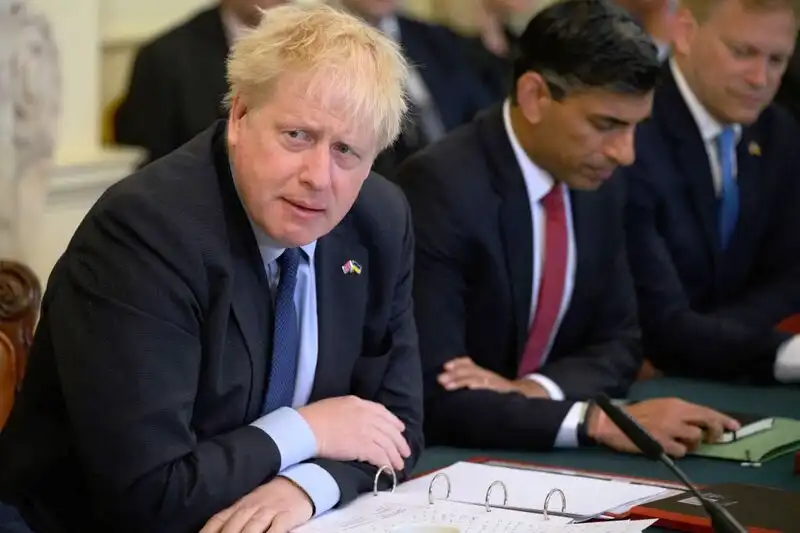


In a surprise turn of events, Boris Johnson's resignation from Parliament has triggered at least three by-elections, which could highlight a softening of support for the Conservative Party. This presents a new electoral challenge for Prime Minister Rishi Sunak, who will now have to defend not only Johnson's vacant seat in Uxbridge and South Ruislip but also that of key Johnson ally Nadine Dorries in Mid Bedfordshire. Furthermore, Nigel Adams' immediate resignation from his UK parliamentary position has triggered yet another by-election. These by-elections complicate Sunak's attempt to narrow the gap with the opposition Labour Party ahead of a general election due by January 2025. Recent opinion polls suggest that Labour is ahead by between 9 and 14 points, and while this is an improvement from 2022, it still lags behind the more than 20-point lead in the polls in late 2022.
Winning Johnson's seat of Uxbridge and South Ruislip may prove challenging for the Conservative Party, which only held the constituency in 2019 with a relatively slim majority. Additionally, the Tories lost over a thousand councilors in local elections in May, with the Liberal Democrats making large gains in southern England. The resignation of Boris Johnson marks an incredible downfall for a politician who led the Brexit campaign and steered the Tories to a landslide electoral victory in 2019, gaining an historic 80-seat majority in Parliament. Unfortunately, his government was later plagued by missteps, culminating in revelations about more than a dozen social gatherings in government buildings at the height of the Covid pandemic when his administration had ordered lockdowns.
Johnson's immediate political career ends with his resignation, but he hinted that he may attempt a return at a later date. However, some Johnson critics within the Conservative Party urge Sunak to bar Johnson from running again in the next general election, while supporters warned that such a move could rip the party apart. Nonetheless, Sunak now faces the renewed infiltration of the feud that has simmered since he resigned in 2022 as Chancellor of the Exchequer in protest against Johnson's leadership.
In his resignation statement, Johnson called the Privileges Committee's investigation of whether he lied to parliament regarding Partygate a "kangaroo court" and fired a broadside regarding the Conservative Party's electoral ills. He called for a return to a "properly Conservative government," pointing out that the party's gap with the Labour Party had widened since he left office. The Privileges panel was investigating whether Johnson deliberately misled lawmakers when he repeatedly denied rule-breaking had occurred during a series of gatherings in Downing Street during the coronavirus lockdowns of 2020 and 2021, collectively known as "Partygate." Johnson was later fined for breaking the rules himself, as was Sunak.
Johnson's resignation has left the Conservative Party scrambling to regain a sense of momentum and belief in what the country can do. Meanwhile, speculation about Boris Johnson's future in politics continues to run rampant, with his supporters refusing to rule out the possibility of an eventual comeback. Regardless, Sunak's new electoral challenge comes at a time when the Conservative Party is trying to regain the faith of the public, and these by-elections will undoubtedly be crucial for the party's continued success.