


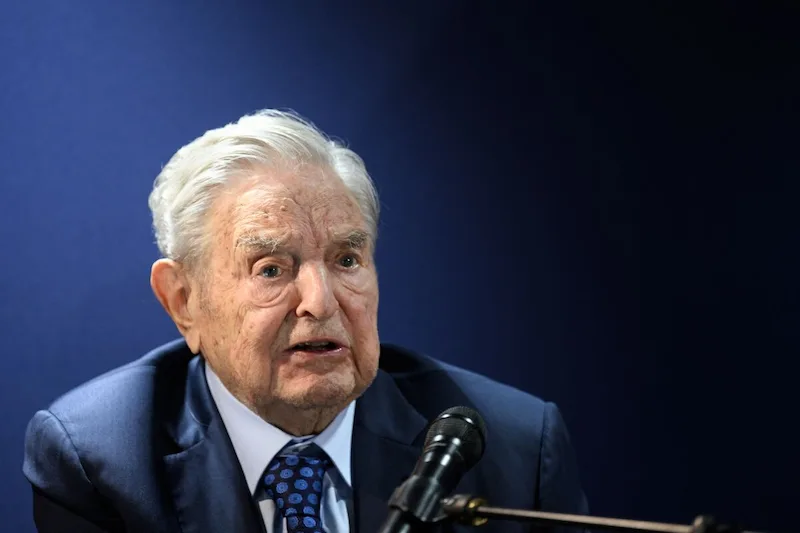


The Open Society Foundations (OSF), the philanthropic organization led by Alexander Soros, son of billionaire George Soros, is set to drastically scale back its operations in the European Union (EU) as part of a strategic restructuring. OSF, which supports various humanitarian and democratic causes worldwide, plans to reduce its headcount by at least 40% following a change in leadership.
According to a letter sent to grantees in Hungary, OSF's new operating model involves a "radical shift of strategic direction" that will necessitate significant restructuring and the closure of all regional and global programs. As a result, the foundation will withdraw and terminate a large part of its current work within the EU, with a focus and reallocation of resources to other parts of the world. Funding within the EU will be largely terminated, and future funding will be extremely limited.
The decision to withdraw from the EU was made in light of the significant resources already allocated by EU institutions and governments to human rights, freedom, and pluralism within the bloc. OSF's European headquarters, formerly based in Budapest, was relocated to Berlin in 2018 following a campaign against Soros and the foundation's liberal values by the Hungarian government led by Prime Minister Viktor Orban. The organization also has offices in Barcelona, Brussels, and Belgium.
Within the EU, OSF has been instrumental in financing a wide range of philanthropic programs, particularly in the bloc's eastern former communist countries such as Hungary, Poland, Slovakia, Romania, the Czech Republic, and Bulgaria. These programs have aimed to strengthen democracy, promote human rights, and address poverty and discrimination faced by marginalized communities like the Roma minority. OSF also supports projects in non-EU European countries, including those in the Balkans and central Asia.
Over its three-decade history, OSF has dedicated over $19 billion to philanthropic efforts globally. In 2021 alone, it provided $209 million in funding to the Europe and central Asia region, accounting for nearly 14% of its total global expenditure.
This decision marks a significant shift in OSF's operations and strategy, as it redirects its focus and resources to regions outside of the EU. While further details regarding the restructuring have not been provided, it is clear that OSF's withdrawal from the EU reflects a reevaluation of its role in a region where governments and institutions are already prioritizing human rights and pluralism.