


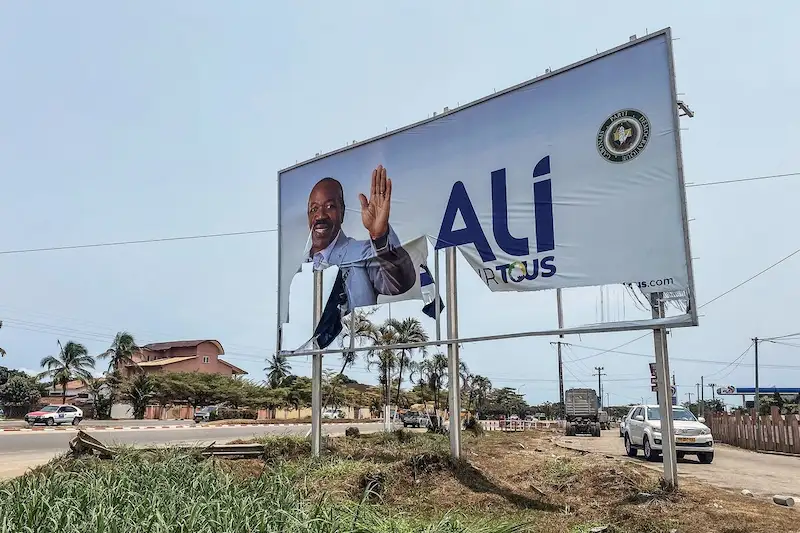


Following a recent coup in Gabon and a series of similar events in other Francophone African countries, France is facing a moment of reflection regarding its approach to the continent. President Emmanuel Macron had vowed to reshape relations with Africa and put an end to Françafrique, the post-colonial system of political and economic influence that France has exerted over its former colonies. However, recent events have shown that France's influence in the region is declining and its Africa policy is in disarray.
The coup in Gabon, as well as previous coups in Niger, Mali, Guinea, Burkina Faso, and Chad, have exposed the limitations of France's long-standing strategy. These countries have historically maintained close ties with France, with deep economic, political, and security connections. However, the upheavals in these nations indicate that France can no longer dictate the course of relations in the region. The armies of these countries, backed by public support, are now toppling leaders who have been either democratically elected or appointed due to their ties with the West, particularly through Paris.
This situation forces France to reevaluate its policies in Africa. It must confront the question of what to do with its military presence on the continent, as the presence of French troops gave Paris leverage with the United States but has also bred mistrust among African nations. Furthermore, France must decide how to engage with its remaining Francophone allies in the region, many of whom are autocratic rulers who have maintained their grip on power for decades or have assumed power from their fathers.
In the past, French decision-makers have often prioritized stability over genuine democracy in Francophone Africa. This has led to continued support or tolerance of dictators and despots who have oppressed their people and engaged in corrupt practices. However, the thirst for genuine democracy among Africans cannot be ignored any longer. France's preference for stability has come at the expense of transparency and accountability.
However, it is important to acknowledge that the corruption and mismanagement in these regimes cannot be solely attributed to France. African leaders must also take responsibility for the mismanagement of resources and the lack of development experienced by their people. The frustration among the population, as seen in Gabon and other countries, stems from the failure of leaders to address the needs of their citizens and distribute wealth equitably.
The recent events in Gabon and other nations should serve as a wake-up call for France to reassess its policies in Africa. The declining influence of France in West Africa signifies a shift in power dynamics, as nations assert their sovereignty and demand genuine democratic governance. It is imperative that France works towards a new approach that prioritizes good governance, sustainable development, and the empowerment of African nations to shape their own futures.