


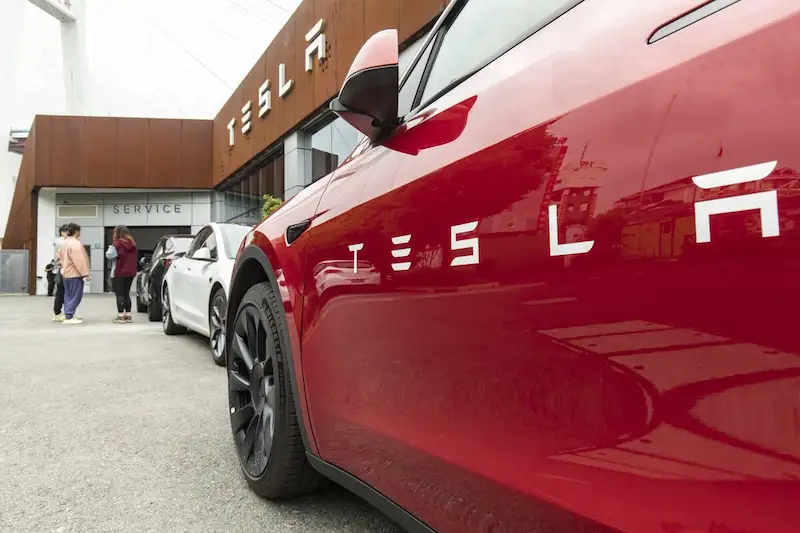


Tesla Inc. has issued a sweeping recall in China, impacting nearly all of the cars it has ever sold in the country. The recall stems from concerns over the driver-assistance system Autopilot, which has been found to increase the risk of crashes. In response, the carmaker plans to release an over-the-air software fix for over 1.6 million vehicles, including locally manufactured Model 3s and Model Ys, as well as imported premium models.
According to the State Administration for Market Regulation, Tesla drivers in China may be misusing the Autopilot functions, subsequently raising the potential for collisions and endangering safety. This recall closely resembles Tesla's recent response to the US National Highway Traffic Safety Administration's findings, which stated that the company had not taken sufficient steps to ensure proper usage of Autopilot. Consequently, the NHTSA has kept an ongoing defect investigation open to assess the effectiveness of Tesla's fixes for approximately 2 million vehicles.
As of now, Tesla has not provided an immediate response regarding these developments. Nevertheless, the news has already impacted the company's stock, with shares falling by as much as 1.1% before the start of regular trading on Friday.
This significant recall comes in the wake of increased scrutiny faced by Tesla's automated-driving systems. With numerous collisions, many resulting in fatalities, the focus on these systems has intensified. CEO Elon Musk has repeatedly proclaimed that fully autonomous cars are just around the corner. However, Tesla continues to require drivers to stay fully engaged, keeping their hands on the wheel and eyes on the road—even while using features marketed as Full Self-Driving.
In addition to the Autopilot-related recall, Tesla has also announced the recall of 7,538 Model S sedans and Model X SUVs in China. This recall aims to address concerns related to door latches disengaging during collisions. The fix will be carried out through an over-the-air software update for vehicles manufactured between October 2022 and November 2023.
These recalls not only highlight the pressing need for improvements in Tesla's Autopilot system but also underscore the challenges faced by automobile manufacturers as they strive to achieve fully autonomous driving capabilities. As Tesla endeavors to demonstrate enhanced safety measures and regain consumer trust, the focus remains on the development and deployment of robust and reliable autonomous driving technologies that can truly deliver on their promise of safer roads.