


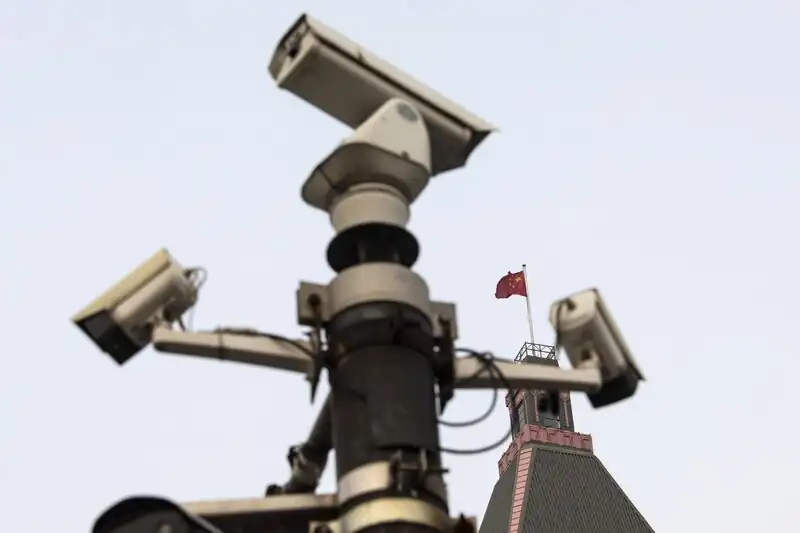


China has passed new counter-espionage legislation that broadens the scope of activities that can be considered spying. The law, which revises and expands legislation passed in 2014, takes effect on July 1, and comes as President Xi Jinping prioritizes national security concerns amid an ongoing strategic struggle with the US. The legislation expands the definition of espionage to include cyber-attacks against state agencies and information infrastructure. The new law also spells out bans on the possession of state secrets to include all documents, data, materials and articles concerning national security.
Over the past decade, President Xi has increasingly prioritized security over development, raising concerns that China is moving away from the pro-growth policies that have powered its decades-long economic boom. As the US seeks to contain Chinese influence across the globe, pressures for China to take a harder line have only grown.
China has recently stepped up arrests of foreigners on allegations of spying, and the new law is seen as a further indication of Beijing's determination to crack down on espionage. China has accused the US of widespread industrial espionage, while the US has blamed China for cyber-snooping and national security-related operations.
Zang Tiewei, a spokesperson for the National People's Congress (NPC) legislative affairs commission, said that the existing legal definition for espionage activities was "too narrow" and that prevention measures were insufficient. "The current situation for counter-espionage struggle is extremely grim as traditional and untraditional security threats are intertwined," Zang said. "Various espionage activities are becoming more complex in more areas and targets more diverse, with measures increasingly covert."
The passing of this new law is likely to further strain relations between China and the US, which have been fraught with accusations of spying and cyber-attacks for years. It remains to be seen what impact the new legislation will have on China's economy and global standing, but it is clear that President Xi's administration is putting national security at the forefront of its priorities.