


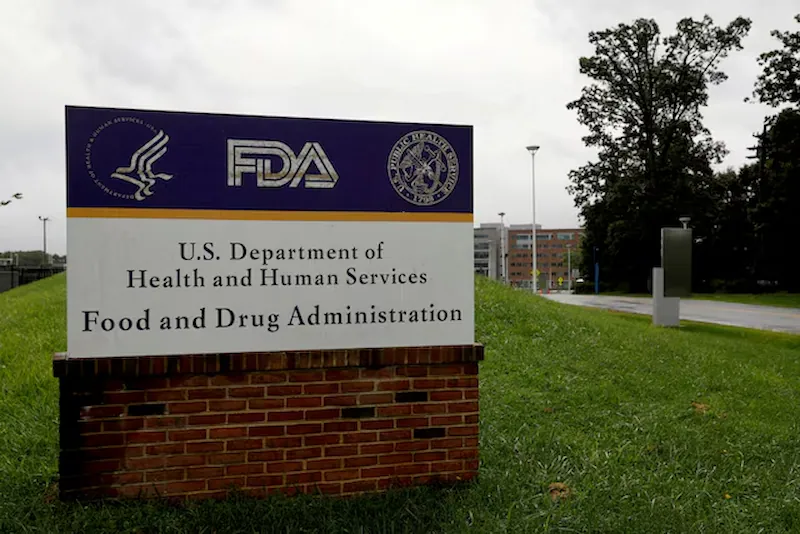


The U.S. Food and Drug Administration announced on Tuesday its decision to revoke the regulation allowing the use of brominated vegetable oil (BVO) in food products, citing safety concerns. Effective August 2nd, the FDA determined that BVO, a chemical containing bromine found in fire retardants, was no longer safe for consumption.
Initially permitted in small quantities in some citrus-flavored beverages to maintain flavor consistency, BVO has come under scrutiny for its potential adverse effects on human health. Collaborative studies between the FDA and the National Institutes of Health highlighted these concerns, prompting the regulatory body to take action.
Although BVO was deemed generally recognized as safe in the late 1950s, the FDA changed its stance in 1970 due to toxicity worries. Since then, the FDA has closely monitored and regulated the use of BVO as a food additive, requiring it to be explicitly listed on product labels whenever included.
Despite the historical controversy surrounding BVO, many beverage manufacturers have already transitioned away from using the ingredient, opting for safer alternatives. Industry giants like PepsiCo and Coca-Cola have proactively removed BVO from products like Gatorade and Fanta. As a result, the FDA noted that modern beverage formulations in the U.S. rarely contain BVO.
This move by the FDA reflects its commitment to ensuring the safety and well-being of consumers, aligning with the evolving understanding of food ingredients and their potential impacts on public health.