


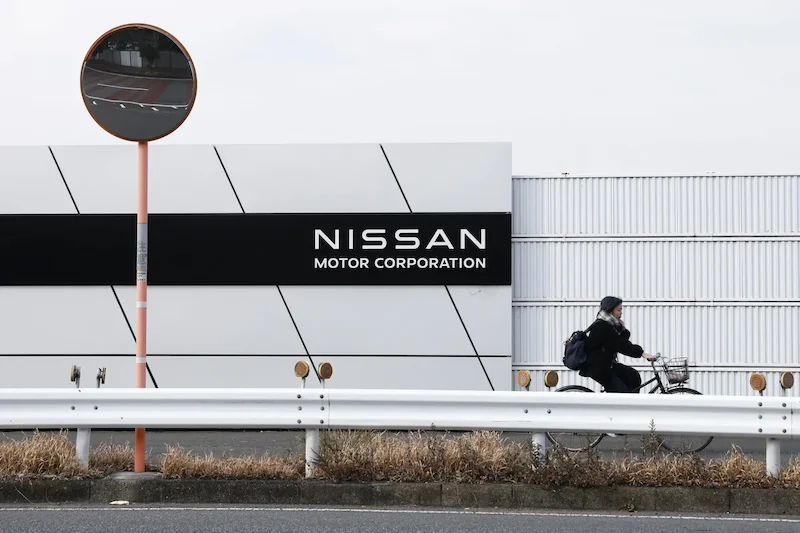


In a strategic move to combat declining sales and profitability, Nissan Motor Co. is set to close two factories in Japan and multiple locations in other countries as part of a comprehensive restructuring initiative. Reports from various sources have indicated that the Japanese automaker is planning to shut down facilities in Oppama and Hiratsuka, both located in Kanagawa prefecture in Japan, representing a significant portion of the company's domestic production.
The decision comes in the wake of a challenging period for Nissan, marked by a slump in global sales and intensifying competition in the electric vehicle market, particularly from China. Struggling to regain traction in key markets like the US, Nissan has faced obstacles such as an outdated product lineup, extensive dealership incentives, and a substantial debt burden.
Earlier announcements by Nissan indicated plans to close seven production facilities globally and eliminate 20,000 jobs as part of cost-cutting measures aiming to reduce expenses by ¥500 billion ($3.4 billion). However, the specific locations of the closures were not disclosed at the time, sparking uncertainty within the industry.
While reports have circulated detailing potential shutdowns in various countries, including Mexico, India, Argentina, and South Africa, Nissan has emphasized that these speculations are not confirmed by the company. The automaker stated that official information regarding plant closures has not been released.
Nissan's new CEO, Ivan Espinosa, has outlined a restructuring plan aimed at independently reviving the company's financial health without seeking an external partnership, following the breakdown of talks with Honda earlier this year. Espinosa highlighted the strategic importance of "resetting the size of the company" to navigate the current challenges effectively.
The Oppama factory, a key site for Nissan's electric car production, with models like the Leaf and the Note, stands in the spotlight as potential closure looms. With an annual production capacity of 240,000 cars, the plant plays a crucial role in the company's electric vehicle strategy. Meanwhile, the Hiratsuka facility focuses on the production of commercial vehicles and boasts a capacity of 150,000 units.
Should the Oppama plant indeed close its doors, it would mark a significant development for Nissan, representing the first major domestic factory closure since 2001. As the automotive industry continues to evolve rapidly, Nissan's restructuring efforts signal a determined approach to adapt and thrive in an increasingly competitive environment.