


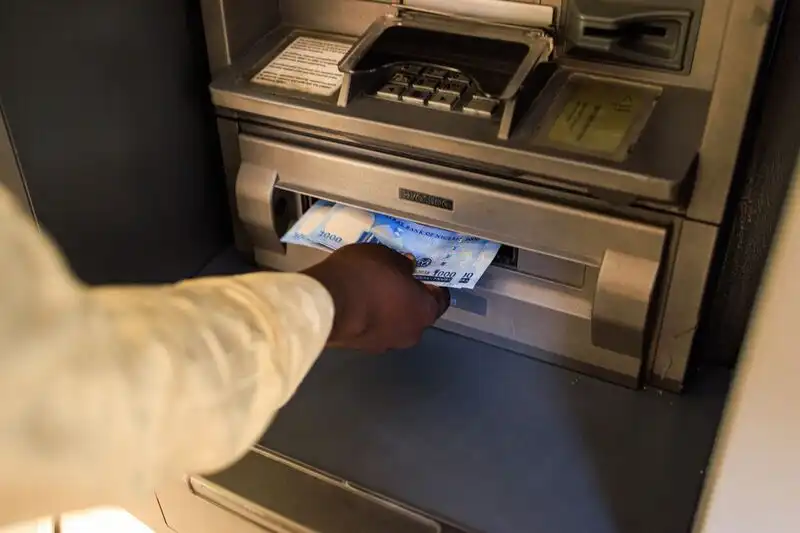


Speculations about the potential devaluation of Nigeria's currency, naira, have heightened following the suspension of the country's central bank governor, Godwin Emefiele. Investors, particularly those in emerging markets, are now considering how deep and soon the devaluation could happen. Emefiele's unorthodox policies, which included propping up naira and banning foreign exchange access for imports, were the reason behind his removal. As a result, there have been concerns about the sustainability of Nigeria's multiple exchange regime, which is anchored on a controlled official rate that causes an increase in demand for the unauthorized black market.
Since the election of President Bola Tinubu in February, who pledged to "carefully review and better optimize" the naira system, there has been growing speculation that a devaluation of naira is imminent. Emefiele's suspension has added fuel to these speculations. Market analysts and money managers have been sharing their thoughts on the matter. Some analysts hold the view that Emefiele's suspension is a step towards creating a functioning monetary policy and exchange rate regime. Others believe that a devaluation of naira is necessary, citing the need to clear market imbalances.
Patrick Curran, a senior economist at Tellimer in London, believes that Emefiele's removal is a necessary move towards allowing the naira to function effectively. He is, however, not sure what form the adjustment will take, whether it will be large enough to clear the market or be a one-off devaluation to a new managed or pegged exchange rate. Curran notes that the official exchange rate needs to converge with the parallel rate, but it is not clear if the new administration will stomach such a large upfront adjustment.
Mark Bohlund, a senior credit research analyst at REDD Intelligence, thinks that a devaluation of naira could happen in the next six months, with a possible devaluation rate of NGN 650-700/USD. He attributes this to the phasing out of fuel subsidies, which could lead to a decline in inflation and a rise in the possibility of devaluing naira.
On the other hand, Bojosi Morule, an economist at Goldman Sachs International in London, views Emefiele's suspension as a sign of decisive policy shift, following the transition from the Buhari administration. Morule believes that the leadership change at CBN is credit-positive and increases the probability of a near-term devaluation of naira. He estimates that a naira adjustment to around NGN 700-750 would be necessary.
Thys Louw, a portfolio manager at Ninety One in London, believes that President Tinubu is willing to take on fuel subsidies and FX reform, which are two of the most important factors that investors are focusing on. Louw thinks that Emefiele's suspension is a positive step towards FX reform implementation. Though Louw believes that Emefiele's removal would not significantly change the Nigeria credit position, he suggests that outperformance could continue.
Overall, the removal of Emefiele as the central bank governor has intensified speculations of a possible devaluation of naira. However, what form the adjustment will take and how deep it could be remains a question that analysts cannot fully agree on. While some believe that a devaluation of naira is necessary to clear pent-up imbalances, others see Emefiele's removal as a positive step towards creating a functioning monetary policy and exchange rate regime. It remains to be seen how President Tinubu's administration will handle this matter in the coming days and weeks.