


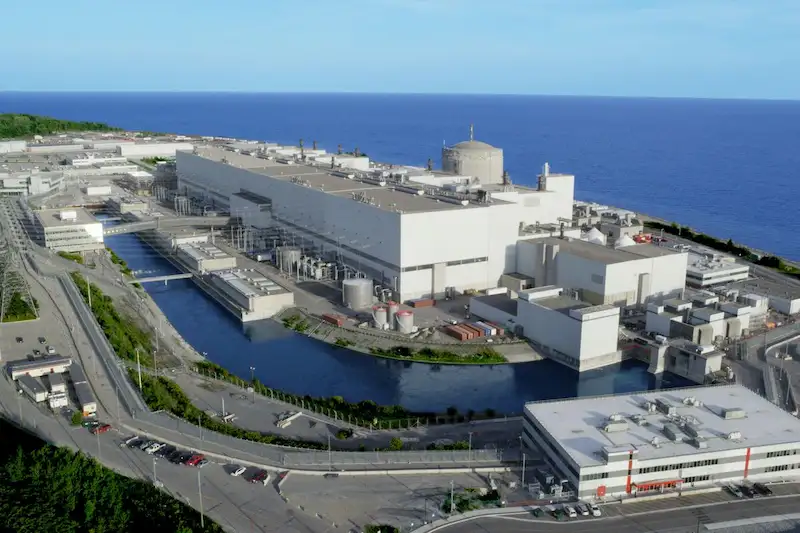


Ontario is taking significant steps towards expanding its nuclear power sector, with plans to transform an existing plant into the world's largest and a commitment to adding three small modular reactors to an already under-construction site. This marks a significant shift for an industry that has faced setbacks for decades due to concerns over safety and cost overruns. However, with the need to modernize the aging power grid and add capacity without increasing electricity costs or jeopardizing emissions goals, nuclear energy is gaining momentum.
The devastating Fukushima Daiichi meltdown in 2011 and the Vogtle debacle in the US have been major blows to the global nuclear power industry. These events led to delays and massive budget overruns, deepening the scepticism around nuclear power. However, Ontario seems to be moving forward boldly. The expansion plans at the Bruce Power facility signpost the first large-scale nuclear build in Canada in over thirty years, indicating progress in nuclear policy. With most of the country's 19 nuclear reactors located in Ontario, the province is poised to play a significant role in supplying nuclear reactors domestically and internationally.
By 2050, Ontario will need to invest around C$400 billion to double its generating capacity to meet the demands of a population increasingly relying on electric vehicles and moving away from fossil fuels. Ontario's grid is already 90% clean, thanks to existing nuclear, hydroelectric, and wind power sources. However, the remaining 10% poses a challenge due to growing demand. Nuclear projects typically take many years to complete, with all three of Ontario's nuclear sites requiring refurbishment in this decade. This will result in a temporary reduction in generating capacity. To bridge this gap, the province plans to make use of natural gas.
One of the major advantages of the nuclear projects is their potential to reduce the province's reliance on natural gas. Additionally, they offer an alternative to using wind and solar power to meet base-load demand. One of the challenges with relying on intermittent renewable sources is that they are highly dependent on weather conditions and are, therefore, less reliable in meeting the hour-to-hour demand. This can lead to overproduction or underproduction of electricity, necessitating measures to stabilize the grid. With nuclear power providing a stable and continuous source of energy, the province can ensure a consistent supply of electricity without relying solely on intermittent renewables.
As the share of wind and solar power in Ontario's energy mix increases, there is a growing need for advancements in energy storage to address the intermittency issue. Currently, energy storage only covers about 0.5% of Ontario's total generating capacity. However, the province plans to increase its battery capacity by 24 times over the next three years. Additionally, there are plans to invest in pumped storage hydropower, a longer-duration storage option. These measures will help optimize the use of intermittent renewables and ensure a reliable and stable electricity supply.
According to simulations conducted by energy experts, expanding both nuclear capacity and long-term electricity storage is the most effective way to maintain electricity rates as low as possible while achieving the goal of a net-zero emissions grid by 2035. The addition of the new nuclear projects at the Bruce and Darlington nuclear generating stations will contribute 6,000 megawatts of additional capacity to the grid. As long as these projects are completed on schedule and demand projections are accurate, Ontario can achieve Canada's goal of a net-zero electricity supply.
The announcements regarding the expansion of Ontario's nuclear power sector are promising steps towards meeting the province's growing energy demands and achieving emission reduction goals. As the province returns to its nuclear roots, it can play a pivotal role in supplying nuclear reactors both domestically and internationally. Furthermore, the focus on energy storage advancements will help address the challenges posed by the intermittency of wind and solar power. Ontario's efforts to modernize its power grid and reduce reliance on natural gas demonstrate a commitment to a cleaner and more sustainable energy future.