


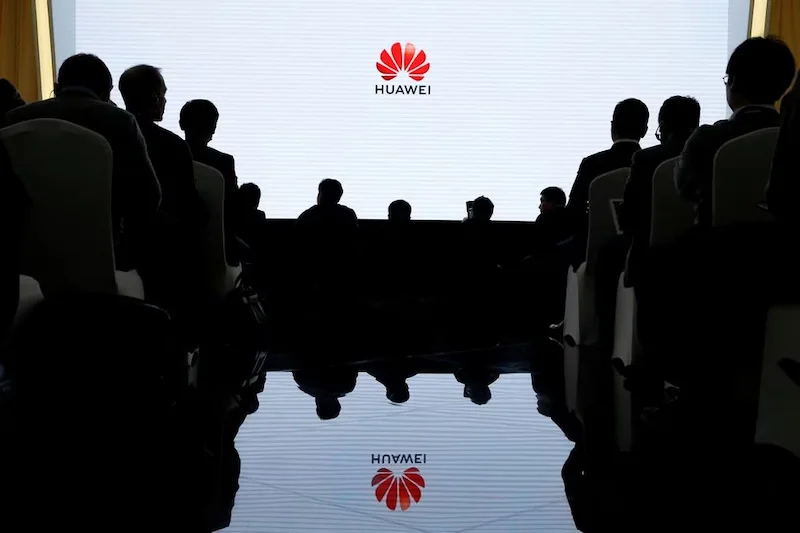


Huawei's recent breakthrough in chip technology has showcased China's determination and capability to counter the US sanctions. The unveiling of the Mate 60 Pro smartphone, powered by Huawei's proprietary Kirin 9000s chip, indicates China's progress in developing high-end chips despite increased restrictions on accessing advanced chip-making tools.
A teardown analysis by TechInsights, a leading technology firm, revealed that the Mate 60 Pro's chip was manufactured by SMIC using an advanced 7 nanometre (nm) technology. This development signifies China's resilience in the face of challenges and showcases the country's chip technological ability. However, it also poses a geopolitical challenge to countries seeking to limit China's access to critical manufacturing technologies. This recent achievement could potentially lead to even stricter restrictions in the future.
The findings by TechInsights may trigger an investigation by the US Commerce Department's Bureau of Industry and Security. It could also stimulate further debates in the US regarding the effectiveness of current sanctions and potentially result in the inclusion of even harsher tech sanctions in an upcoming competition bill against China. The escalating tech war between the US and China seems inevitable, according to analysts at Jefferies.
Huawei declined to comment on the matter, while SMIC and China's State Council have not responded to requests for comments. SMIC, previously known for making chips using 14nm technology, managed to produce 7 nm chips by modifying existing machinery, as it was barred by the US from obtaining an EUV machine from a Dutch firm. It is unclear whether Huawei collaborated with SMIC or purchased the necessary technology and equipment from them.
However, analysts remain cautious about heralding this advancement as a major triumph. The chip production process still faces challenges, including a low yield rate that increases costs and export controls imposed by the Netherlands, limiting SMIC's access to necessary machinery. Some research firms estimate that SMIC's 7 nm process has a yield rate below 50%, well below the industry norm of 90% or higher. This limited supply might hinder Huawei's ability to regain its former dominance in the smartphone market.
In an effort to catch up with US and other rivals, China is planning to launch a new state-backed investment fund aiming to raise approximately $40 billion for its chip sector, as reported by Reuters. However, it is essential to consider the high costs associated with producing controlled technologies in China due to US sanctions. The Chinese government is likely providing financial support to offset these costs.
Overall, while China's recent chip advancement represents a significant milestone for the country, challenges such as low yield rates and export controls remain. The US is expected to respond with increased scrutiny, potentially escalating the ongoing tech war between the two economic giants. The future of China's chip sector will depend on its ability to overcome these challenges and compete on a global scale.