




China is seeing a decline in the surge of mycoplasma-caused pneumonia cases in children, indicating that the situation is improving. However, health authorities are warning that the population at large may still be vulnerable to other respiratory illnesses during the country's first winter after Covid restrictions.
In top pediatric medical centers in Beijing, flu, adenovirus, and respiratory syncytial virus have surpassed mycoplasma as the most commonly detected pathogens among patients. Similar trends have been observed in Tianjin and Shanghai, where the rates of mycoplasma positivity have been decreasing in recent days.
While mycoplasma cases among children are decreasing, China's National Health Commission has raised concerns about a potential major outbreak of several respiratory pathogens between now and next spring.
The recent increase in pneumonia cases among children in kindergartens and primary schools has overwhelmed hospitals and prompted the World Health Organization to inquire with Beijing. China has identified mycoplasma pneumoniae as the main cause of the outbreak, a bacterial infection that typically leads to mild colds in older children and adults but can be more severe in younger children.
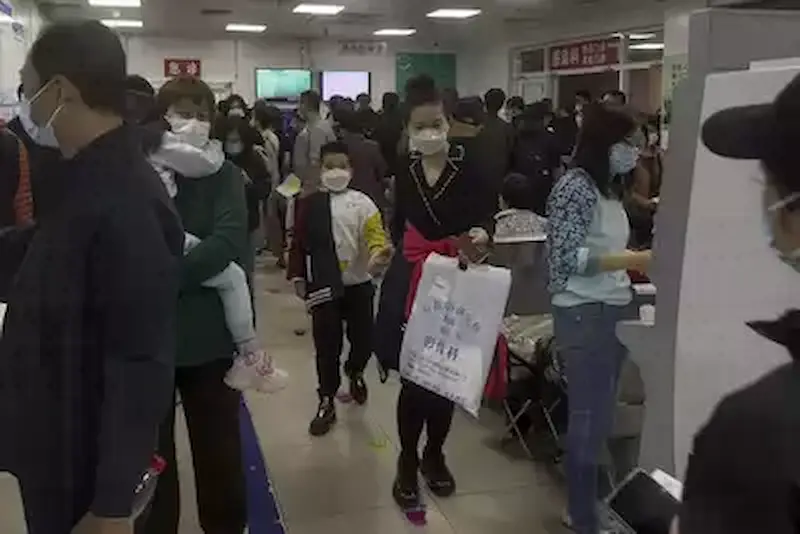
The influx of anxious parents rushing their children to hospitals has put a strain on top pediatric medical centers. Images of overcrowded hallways and children receiving intravenous infusions have gone viral on Chinese social media. This situation has led to more people wearing masks on public transportation, and some schools in eastern Zhejiang province have temporarily suspended in-person teaching after several children fell sick with mycoplasma and other illnesses. Some parents are even calling for temporary school closures to prevent further spread.
Experts, along with the government, believe that the outbreak is primarily caused by an existing pathogen rather than a new one. The fact that only children are affected suggests that this is likely an existing pathogen to which adults have developed immunity. Mycoplasma is a common pathogen causing pneumonia among children aged five and above and has caused epidemics in China every few years.
Symptoms observed among children in China align with typical mycoplasma infections, with a low incidence of severe disease. However, some atypical symptoms have also been reported at a hospital in Sichuan province.
One concerning aspect for China is the high local resistance of the mycoplasma strain to the antibiotic commonly used to treat it. China has the highest rate of resistance to macrolide antibiotics, such as azithromycin, which is the recommended standard of care for mycoplasma infections in children under eight.
Furthermore, this bacterial infection has also contributed to an increase in cases in other countries. Data analyzed from 23 countries and regions worldwide show a rise in Denmark, Sweden, and Singapore from late 2022 to early 2023, coinciding with a post-Covid surge in flu and respiratory syncytial virus. Taiwan has also expressed concern about a potential outbreak early next year due to frequent exchanges with mainland China.
While the mycoplasma-caused pneumonia crisis is showing signs of improvement in China, the threat of other respiratory illnesses looms. Authorities are closely monitoring the situation and taking necessary measures to prevent further spread and ensure the health and safety of the population.