


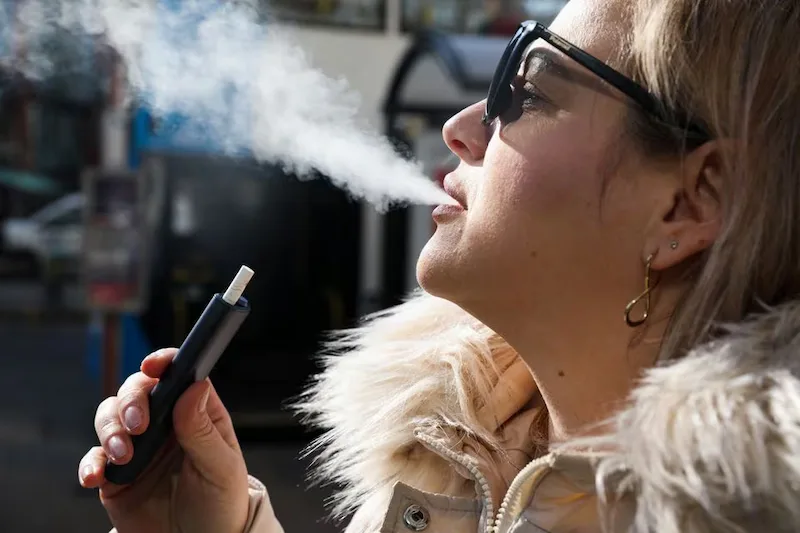


In a move aimed at curbing the rising trend of vaping among non-smokers, UK Finance Minister Jeremy Hunt has announced plans to implement a new tax on vaping products starting from October 2026. The decision comes as part of the government's efforts to make vaping more expensive and less appealing to individuals who do not smoke. This tax will be accompanied by a one-off increase in tobacco duty to maintain the financial incentive for smokers to transition to vaping.
Hunt emphasized that the objective of the new duty is to discourage non-smokers from taking up vaping. The government intends to consult on the design of this tax, which is set to be introduced in October 2026. By making vaping costlier, the hope is to dissuade individuals from starting the habit, especially those who have never smoked before.
The introduction of this tax is expected to have implications for the vaping industry, particularly for companies like British American Tobacco (BAT). Analysts suggest that larger players such as BAT may benefit from the tax as they have the resources to absorb the cost without significantly impacting prices. On the other hand, smaller firms could struggle to compete if their products become financially unviable due to the added tax burden.
BAT has expressed support for the introduction of a "low" excise tax on the liquid used in vapes to regulate the market effectively. However, the company raised concerns about enforcing a tax based on nicotine content. Additionally, BAT urged the government to implement the tax sooner than 2026 to address the growing illicit vape market, which is already thriving.
The rise in vaping among non-smokers and young people has prompted the UK government to reevaluate its stance on vaping as a smoking cessation tool. While vaping products are currently subject to standard value-added tax, the proposed new levy aims to further deter individuals, especially non-smokers, from taking up vaping. Public health experts stress the importance of carefully considering the implications of such a tax to ensure it aligns with efforts to encourage smokers to quit successfully.