


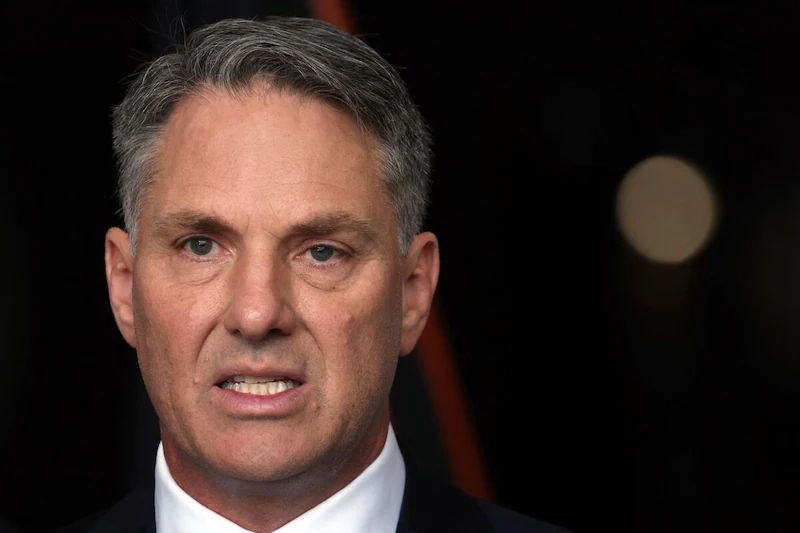


Australia has committed to a substantial increase in its military budget, allocating an additional A$50.3 billion ($32 billion) over the next ten years. This surge in defense spending, announced by Defence Minister Richard Marles, is a response to what he describes as Australia's "most complex strategic circumstances" since World War II.
Marles emphasized the urgent need for a shift in Australia's military preparedness, citing the diminishing strategic warning time for potential conflicts. The changing global landscape, with China's expanding military presence in the Asia-Pacific region and the United States strengthening regional alliances to counterbalance Beijing, has prompted Australia to reassess its defense strategy.
Australia's geographical isolation, once considered a strategic advantage, is now viewed in a different light as global growth and geopolitical tensions converge in the Indo-Pacific region. As part of its efforts to enhance deterrence capabilities, Australia plans to invest in advanced technologies such as drones and missiles, in addition to acquiring a fleet of nuclear-powered submarines through the Aukus agreement.
The increase in defense spending aims to elevate Australia's military expenditure to 2.4% of its gross domestic product by 2033-34, aligning it with countries like France and the UK. However, this expansion will be gradual, with only A$5.7 billion earmarked for the next four years. This phased approach raises concerns about the readiness of Australia's armed forces to confront the evolving security landscape in the region.
To address recruitment challenges and bolster its military personnel, Australia is exploring the possibility of enlisting non-citizens. The country also plans to reallocate A$72.8 billion in military spending over the next decade to align with its new defense priorities. Despite these efforts, questions remain about whether Australia's defense capabilities will be adequately equipped for potential conflicts given the delays in acquiring essential military assets.
Bec Shrimpton, director of Defence Strategy and National Security at the Australian Strategic Policy Institute, highlights the gap between planned capabilities and the current state of Australia's military. The timeline for implementing crucial defense capabilities extends over a decade, raising concerns about whether Australia will be sufficiently prepared for unforeseen security challenges in the region. The nation faces the critical task of ensuring that its armed forces are agile, well-equipped, and strategically aligned to navigate the complexities of a rapidly changing geopolitical landscape.