


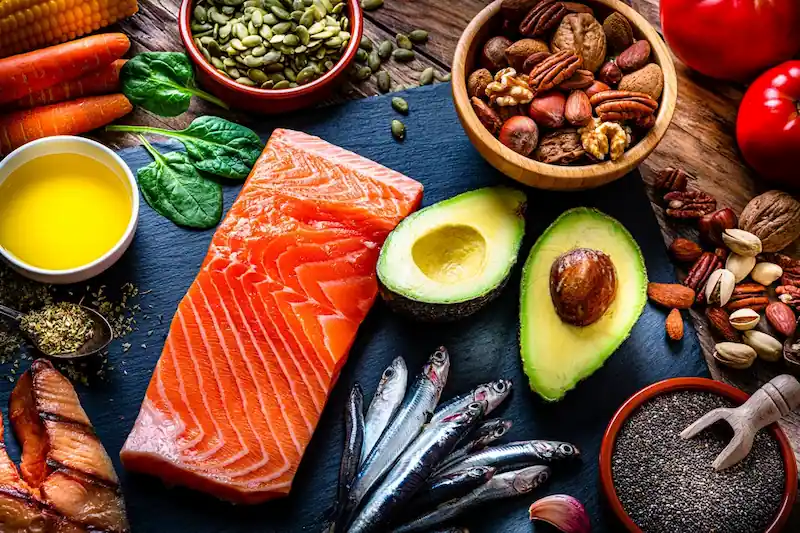


A recent study sheds light on the impact of an imbalance between two essential fats on the risk of early death. Omega-3 fatty acids, particularly EPA and DHA found in foods like fatty fish, flaxseed, and walnuts, play a crucial role in promoting brain and heart health. Conversely, omega-6 fatty acids, prevalent in nuts and seeds, when consumed in excess, can potentially lead to health complications, according to a study published in eLife by Yuchen Zhang, a doctoral student at the University of Georgia College of Public Health.
The research, analyzing data from the UK Biobank study, observed the omega-6 to omega-3 ratio in blood plasma among over 85,000 participants. Results showed that individuals with higher omega-6 to omega-3 ratios faced a 26% increased risk of premature death from any cause, 14% from cancer, and 31% from heart disease compared to those with lower ratios. While both omega-6 and omega-3 individually were associated with reduced mortality risk, the protective effects of omega-3 outweighed the harms of omega-6, underscoring the significance of a balanced intake.
Nevertheless, Dr. Lauren R. Sastre from East Carolina University cautioned that the study only offers a snapshot of the relationship without establishing causation. Additionally, methodological limitations and the need to consider various dietary factors could impact the accuracy of the findings. While omega-3 and omega-6 balance may influence early death risk, a well-rounded approach encompassing diverse anti-inflammatory nutrients is crucial for overall health.
Registered Dietitian Nutritionist Kristin Kirkpatrick highlighted the potential role of arachidonic acid, an omega-6 fatty acid, in modulating inflammation and blood clotting. Maintaining a balanced intake of omega-3 and omega-6, focusing on whole foods over processed options, could be key in supporting health. Experts suggest consulting healthcare providers for blood plasma ratio testing and emphasizing a holistic lifestyle approach, including a diverse diet, good quality sleep, stress management, and physical activity, to promote overall well-being and longevity.