


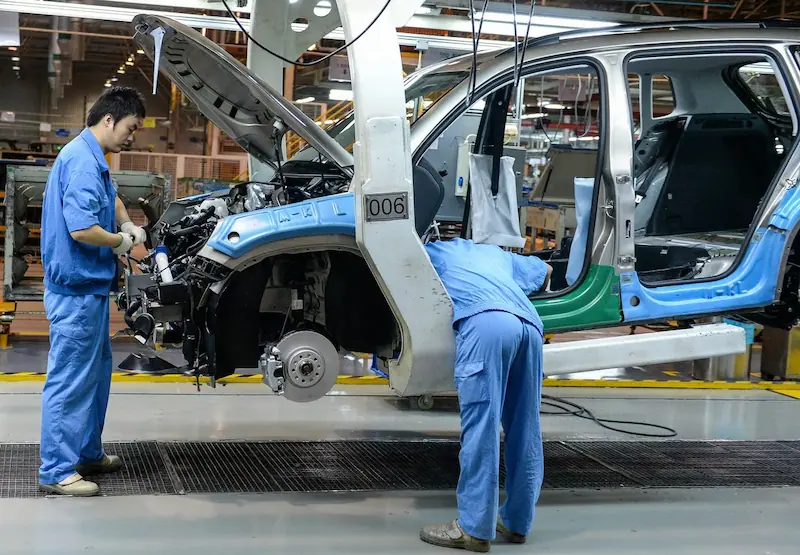


In response to a decline in demand for combustion-engine vehicles and a rapid shift towards electric cars, Volkswagen AG and its longstanding Chinese partner, SAIC Motor Corp., are preparing to shutter manufacturing plants in China. The decision comes as part of a strategic review following the cessation of production at one factory in Nanjing and reduced output at another plant in Shanghai. The closure of the Nanjing facility, with an annual capacity of up to 360,000 vehicles producing VW Passat and Skoda cars, is anticipated next year.
Furthermore, the partners are reevaluating the future of the Skoda brand in China, with a facility in Ningbo potentially facing closure after prolonged periods of inactivity. The challenges faced by Volkswagen in China highlight the broader automotive industry trends, including a decline in sales of conventional vehicles and a surge in demand for electric models.
The German manufacturer's pivot towards electric vehicles has led to a slowdown in production at its 39 plants in China, affecting its share of operating earnings from the ventures. Despite significant investments in carmaking capacity over four decades, Volkswagen finds itself grappling with excess manufacturing capabilities amid the industry transition.
The shift towards electrification in China has favored local competitors like BYD Co., prompting Volkswagen to reassess its strategy to stay competitive. Sales of battery-electric vehicles and plug-in hybrids have soared in China, underscoring the urgent need for automakers to adapt to evolving consumer preferences.
While some changes, such as the repurposing of the No. 1 Auto Plant in Shanghai for research and development, have already taken place, the future of other facilities remains uncertain. The company's focus on smart electric vehicles and intelligent manufacturing is evident in its plans for the Anting manufacturing zone in Shanghai.
The ongoing review also includes adjustments to Skoda's marketing strategies and dealer networks, with a shift towards used-car sales. As Volkswagen navigates the complexities of the global automotive landscape, the decisions made in China will serve as a crucial indicator of its ability to adapt to the changing industry dynamics while maintaining its competitive edge.