


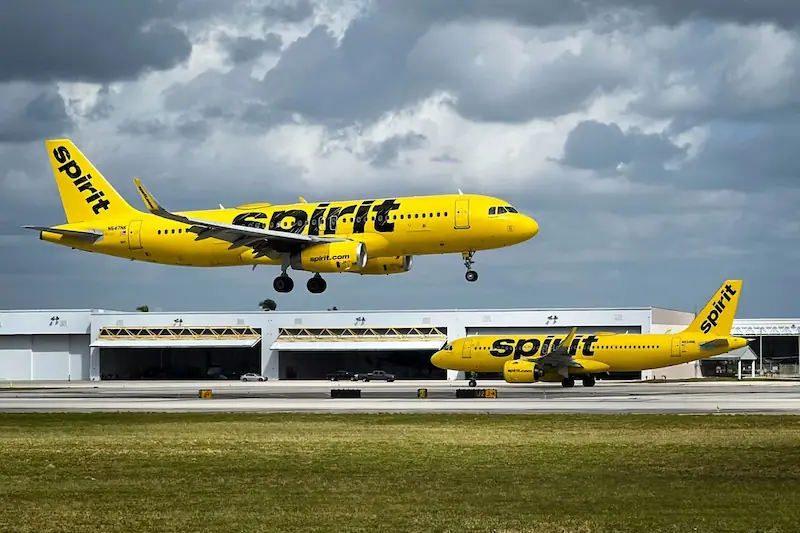


In a significant development, Spirit Airlines Inc. has received court approval to emerge from bankruptcy through a deal backed by lenders, despite turning down a takeover offer from Frontier Group Holdings Inc. The decision, approved by Judge Sean Lane, will transfer control of the discount airline to leading bondholders, which notably include Citadel Advisors, Pacific Investment Management Co., and Western Asset Management Co.
The airline's move to seek bankruptcy protection in November stemmed from struggles post-pandemic as larger competitors enticed passengers with more basic-economy fare options. With a restructuring plan targeting $1.6 billion in debt, Spirit aims to regain its foothold in the market by introducing new premium services like wider seats and complimentary alcoholic beverages under certain ticket categories.
The decision to press forward with the restructuring plan despite multiple proposed acquisitions from Frontier suggests Spirit's confidence in the value it can deliver to creditors. Rejecting Frontier's most recent bid, the company justified its decision by emphasizing the comparative benefits of its own restructuring strategy, which involves a combination of creditor support and equity infusion.
While the bankruptcy watchdog raised concerns about the legal releases involved in the restructuring deal, particularly regarding creditor consent, the court ultimately greenlit the exit plan given the overwhelming support from Spirit lenders. The restructuring not only reduces the airline's debt by $795 million but also secures a $350 million equity injection from bondholders.
The inclusion of safeguards in the exit financing that prevent biased liability management transactions further ensures fair treatment of creditors. Notably, existing equity holders in Spirit will see their ownership completely wiped out as part of the restructuring process, a common occurrence in large-scale Chapter 11 cases.
Overall, the approved restructuring plan sets the stage for Spirit Airlines to emerge stronger post-bankruptcy, equipped with the necessary resources to navigate the competitive air travel landscape and drive future growth.