


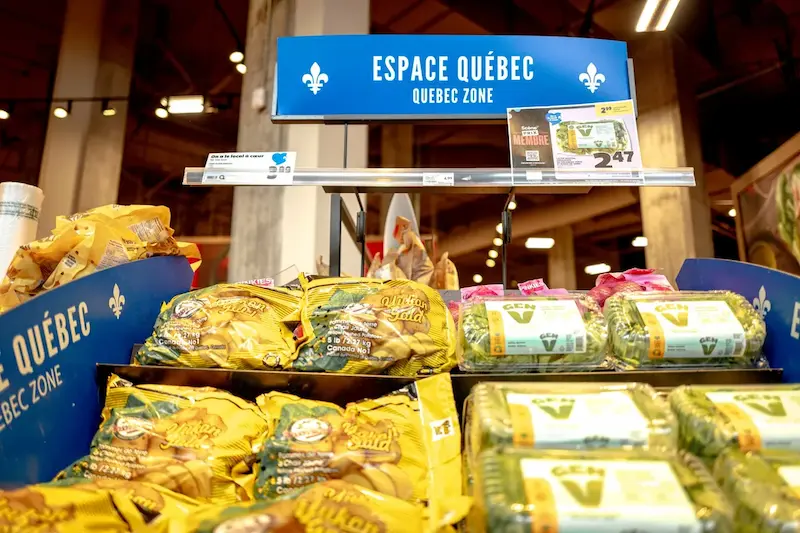


In a significant development that could strain trade relations, the United States has honed in on Quebec's contentious French-language law, known as Bill 96, as a potential obstacle to commerce. The law, passed amidst strong opposition from the business sector in 2022, mandates increased use of French in Quebec. This includes requirements for businesses to operate in French within workplaces, with clients, and to have French as the dominant language in trademark displays.
Concerns have been raised by businesses regarding the impact of Bill 96 on their trademarks post-June 1, when certain provisions will take effect. The necessity to translate trademarks into French could result in heightened costs, prompting the US government to contemplate trade sanctions against Canada over this issue.
President Donald Trump's administration is gearing up to implement "reciprocal tariffs" against various nations, taking into consideration non-tariff impediments like regulatory barriers hindering US businesses. As tensions escalate, Quebec finds itself at the center of a pivotal crossroads in Canada's political landscape, with Bill 96 sparking divergent opinions. While disapproved by some business leaders, the law garners support from Quebecois residents concerned about preserving the French language in the province.
Canadian Prime Minister Mark Carney has expressed apprehension over Bill 96 for containing a provision that bypasses the Canadian Charter of Rights and Freedoms. Nonetheless, he affirmed his commitment to safeguarding the law and Canada's dairy supply management system, cited as obstructing US dairy exports by the US Trade Representative.
Emphatically asserting that "French language and Canadian culture, including Quebec culture, and supply management will never be on the table" in trade negotiations, Carney remains resolute. In response to the latest developments, officials from Quebec's provincial government are yet to issue a statement.
Furthermore, Canada's ban on single-use plastics and its digital services tax feature as additional trade irritants in the comprehensive report by the Office of the US Trade Representative, underscoring the complexities playing out on the North American trade frontier.