


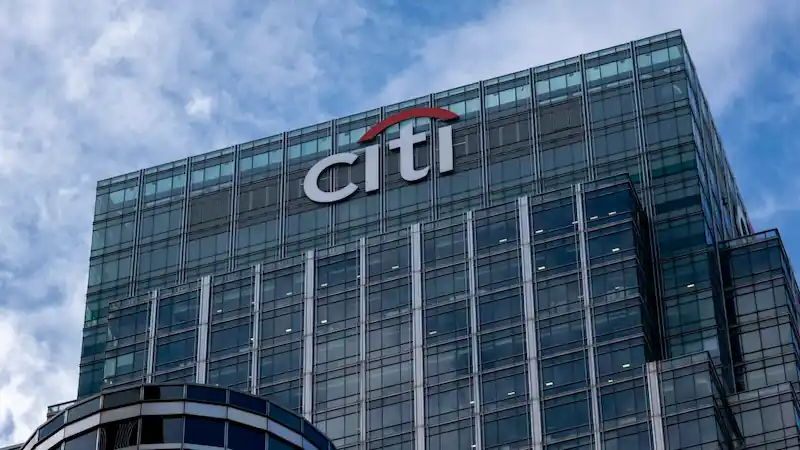


The UK's Competition and Markets Authority (CMA) has identified five banks that it believes have breached competition rules in the UK bond market. Deutsche Bank and Citigroup, two of the five banks under investigation by the CMA, have admitted to engaging in anti-competitive activities when they exchanged sensitive information about UK government bonds between 2009 and 2013.
During that time, Deutsche Bank and Citigroup reportedly shared information about the buying and selling of UK government bonds, including gilt and gilt asset swaps. The CMA labelled these activities as "very serious" and expressed concern about the possibility that they could have denied taxpayers, pension savers, and financial institutions the benefits of full competition.
HSBC, Royal Bank of Canada, and Morgan Stanley are the remaining banks that the CMA investigated. The regulator found that these banks were allegedly involved in sharing information in one-to-one conversations between traders in Bloomberg chatrooms following the 2008 global financial crisis. However, despite the allegations made against them, none of these banks have admitted to any wrongdoing.
The CMA has not yet determined whether there is sufficient evidence of an infringement of competition law to take enforcement action against any of the banks. The regulator intends to consider further representations from the banks before issuing any financial penalties. Until then, the CMA has cautioned against assuming that any of the banks have broken the law.
Deutsche Bank and Citigroup, who have both admitted to non-competitive activities, have each reached settlements with the CMA and may receive a discount on any fines issued if the provisional findings are upheld. In contrast, HSBC, Morgan Stanley, and Royal Bank of Canada have all disagreed with the CMA's provisional findings. They continue to contest the allegations and are awaiting the CMA's final decision.
The CMA's investigation has highlighted the danger of sharing sensitive information without prior authorisation. Such activities not only breach competition rules but can also deny customers and stakeholders the benefits of full competition, including the minimization of borrowing costs. The CMA's findings could have significant implications for the banks involved, demonstrating the need to take compliance seriously and to put safeguards in place to prevent anti-competitive practices.