


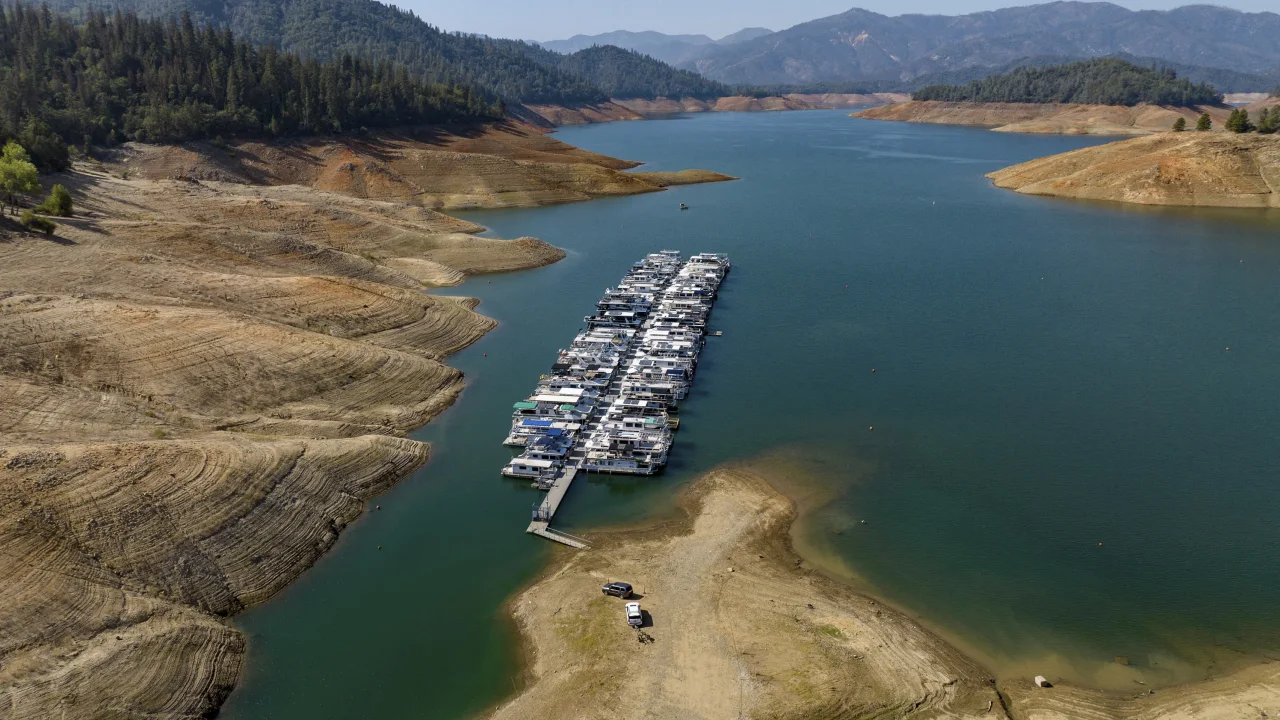


According to the UN World Water Development Report released on Tuesday, water usage has risen by approximately 1% annually over the past 40 years, driven by population growth and changing consumption patterns. The report, released on the eve of a major UN water summit in New York, predicts that the number of people in cities facing water scarcity will almost double from 930 million in 2016 to potentially 2.4 billion by 2050. Furthermore, urban water demand is projected to rise by 80% by 2050.
The lead author of the report, Richard Connor, warned that without action to address water scarcity, there will undoubtedly be a global crisis. Currently, water access is a significant issue, with 2 billion people lacking access to safe drinking water and 3.6 billion without access to safely managed sanitation.
Around 10% of the world's population already lives in countries with high or critical water stress. Urban and industrial growth, as well as agriculture, are contributing to existing shortages, with agriculture alone accounting for 70% of global water use.
The report found that seasonal water scarcity will increase in areas where water is currently plentiful, such as Central Africa, East Asia, and parts of South America. Meanwhile, scarcity will worsen in regions such as the Middle East and the Sahel in Africa, where water is already scarce.
The authors of the report also highlighted that extreme and prolonged droughts, made more frequent and severe by the climate crisis, are putting pressure on ecosystems, which could have dire consequences for plant and animal species.