


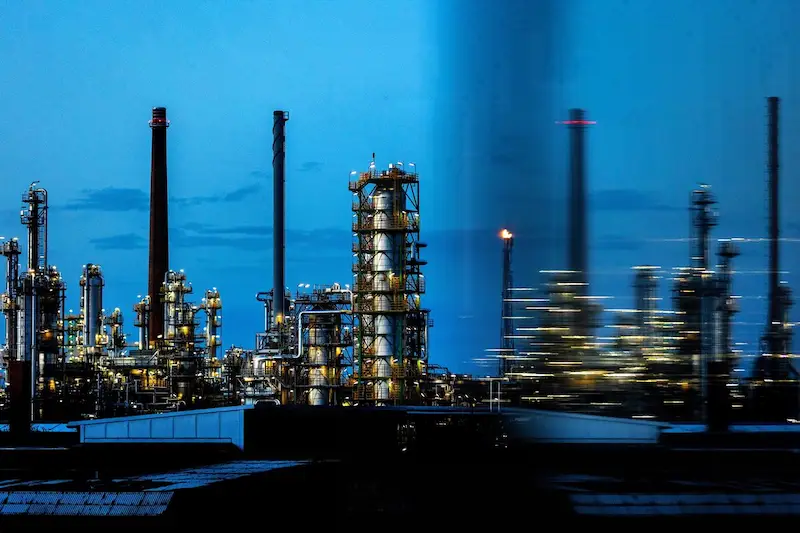


The global oil refining industry is facing a significant challenge as it struggles to meet the soaring demand for diesel. Inflationary pressures are mounting as refiners prove powerless to produce enough diesel, a fuel that is vital for industries and transportation around the world.
While oil futures have been on a remarkable rise, with prices approaching $95 a barrel in London, the surge in diesel prices is even more remarkable. In the United States, diesel prices reached a record high for this time of year, surpassing $140 per barrel. Similarly, Europe has witnessed a staggering 60% increase in diesel prices since summer.
The situation could worsen due to production cuts in crude oil that is rich in diesel. Saudi Arabia and Russia, both major players in the OPEC+ alliance, announced in September that they would extend production cuts through the end of the year. This decision comes at a time when demand for diesel typically increases, posing the risk of continued tightness in the market.
Refineries are grappling with multiple challenges, including lackluster production and constrained stockpiles. Many plants were forced to operate at a slower pace than usual during the summer due to intense heat, resulting in reduced stockpiles. Additionally, refiners faced pressure to divert their production to other fuels, such as jet fuel and gasoline, which experienced a strong rebound in demand.
The global refining system has been further strained by the closure of less-efficient plants in response to the COVID-19 pandemic. As consumption rebounds, the absence of these refineries has exacerbated the diesel shortage. However, there is hope that the constraints may ease as the winter months approach, offering relief from weather-related limitations, coupled with routine seasonal maintenance.
Despite potential alleviation, concerns about diesel supply persist. Russia, despite facing Western sanctions, has shown a willingness to limit its diesel exports. China, another significant exporter, has issued a new fuel export quota, but it may not be sufficient to prevent a tight market until the end of the year. Key storage hubs around the world are reporting lower-than-normal stockpiles, indicating restricted supply levels.
The restricted supply of diesel has far-reaching economic implications. Truckers, who heavily rely on diesel to transport goods, have been hit hard by the surge in prices. As transportation costs rise, these costs are eventually passed on to businesses and consumers, potentially undermining economic progress. This risk is particularly evident in the United States, where a spike in energy prices, whether in gasoline or diesel fuel, could pose a threat to the economy as the election campaign season approaches.
Furthermore, soaring diesel prices may force refineries to prioritize diesel production at the expense of gasoline production. This could further exacerbate the issue and potentially lead to a gasoline shortage.
Although diesel consumption growth has been relatively lower compared to other petroleum products, there is still an underlying supply issue. European refineries were unable to build up sufficient supplies during the summer due to unplanned outages, leaving inventories tight as winter approaches.
In conclusion, the global diesel shortage poses significant challenges for refiners around the world. The combination of lackluster production, constrained stockpiles, and increased demand has led to soaring prices and potential inflationary pressures. While there is some hope for relief in the coming months, concerns about supply from key exporting nations continue to linger. The economic consequences of the diesel shortage, particularly in industries heavily reliant on transportation, highlight the urgent need for solutions to meet the growing demand for this essential fuel.