




Parisians are facing the possibility of exorbitant parking fees for SUVs as they prepare to vote on a measure that could triple the cost of parking in some central Paris arrondissements. The proposed increase in parking rates, which aims to address air pollution and prioritize pedestrians and cyclists, follows a similar ban on shared electric scooters last year. Paris Mayor Anne Hidalgo's efforts to make the city a leader in urban climate-protection and anti-pollution measures have involved reducing car usage and promoting a "15-minute city" concept, where daily necessities can be accessed by foot or bicycle.
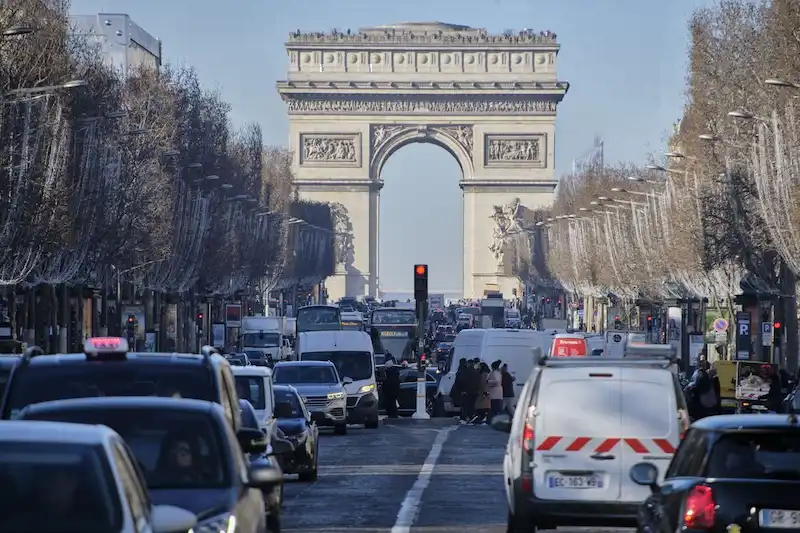
If approved, the parking measure will apply to SUVs weighing more than 1.6 tons, or 2 tons if they are electric. SUVs have seen a significant surge in popularity in France over the past decade, with sales increasing sevenfold and accounting for approximately 40% of new car sales, as reported by WWF France. However, in the narrow and congested streets of Paris, these vehicles often cause inconvenience due to their size and the space they occupy. Critics argue that the referendum unfairly targets families residing on the outskirts of the city who rely on private transportation as an alternative to inadequate public transport options.
Other cities in France, such as Lyon, and Tübingen in Germany, have already taken steps to incorporate vehicle weight into parking tariffs. The aim is to discourage the use of large vehicles in urban areas and promote alternative modes of transportation. Environmental groups, such as Transport & Environment, are hopeful for a "Yes" vote in the referendum, as they believe it would establish Paris as a leader in regulating large vehicles in urban spaces.
The potential increase in parking fees for SUVs reflects Paris's ongoing commitment to combat air pollution and reclaim the city's streets for more sustainable modes of transport. While the proposal may attract criticism for its potential impact on certain groups, proponents argue that it is a necessary step to address the environmental and congestion challenges posed by SUVs in a densely populated city like Paris. The outcome of the vote will play a significant role in determining the future of parking regulations for SUVs and shaping the city's efforts to prioritize sustainability and pedestrian-friendly urban spaces.