


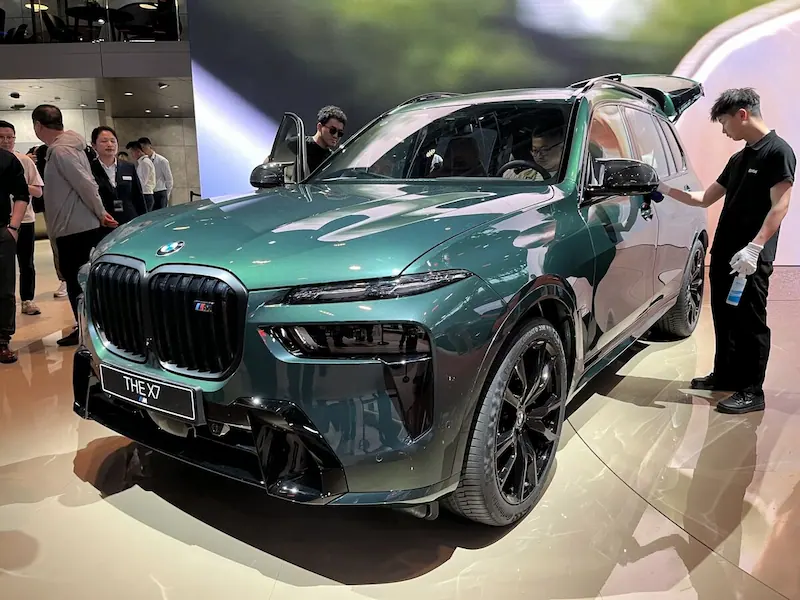


In ongoing trade discussions between China and Germany, Beijing has proposed a potential trade-off that could benefit Germany’s luxury car manufacturers if the European Union agrees to drop tariffs on Chinese electric vehicle exports. Sources privy to the confidential discussions revealed that China suggested lowering existing tariffs on large-engine cars in exchange for scrapping the planned levies on electric vehicle imports from China. Currently, China imposes a 15% fee on passenger vehicles imported from the EU.
During a meeting between China's Commerce Minister Wang Wentao and Germany's Economy Minister, Robert Habeck in Beijing, Wang hinted at the benefits this deal could bring to German luxury carmakers like Mercedes-Benz Group AG and BMW AG. The talks come in the wake of the EU's proposal to increase charges on electric cars to as high as 48% later in the year, as part of efforts to address state subsidies granted by Beijing to its industries.
The negotiation highlights a disparity in approach between the EU and China. While the European Commission is basing its tariffs on legal conclusions from a comprehensive study on China's state subsidies, China has been using a mix of incentives and threats to sway Berlin to influence trade talks in its favor. Previously, China hinted at imposing a 25% fee on large European cars, a move that could impact German luxury car manufacturers significantly.
As discussions continue, there is a possibility for further negotiations. The EU could choose to delay the implementation of tariffs pending progress in talks. Key officials, including Valdis Dombrovskis from the EU and counterparts in China, have engaged in constructive conversations. However, any negotiated outcome must adhere to WTO rules and effectively address subsidization issues to reach a resolution.
China's willingness to negotiate on tariffs holds significance beyond the EU. Countries like Canada are also considering levies on Chinese electric vehicles to align with actions by the EU and the US. China's strategic stance in trade talks could set a precedent for future negotiations with major economies worldwide.
Despite the ongoing exchange of threats and offers, a final resolution is expected closer to the deadline for imposing penalties in November. China may offer greater transparency on industry policies or withdraw subsidies flagged by the EU to align with WTO obligations. The intricate dance of negotiations signals the complex dynamics at play in global trade discussions between major economic powers.