


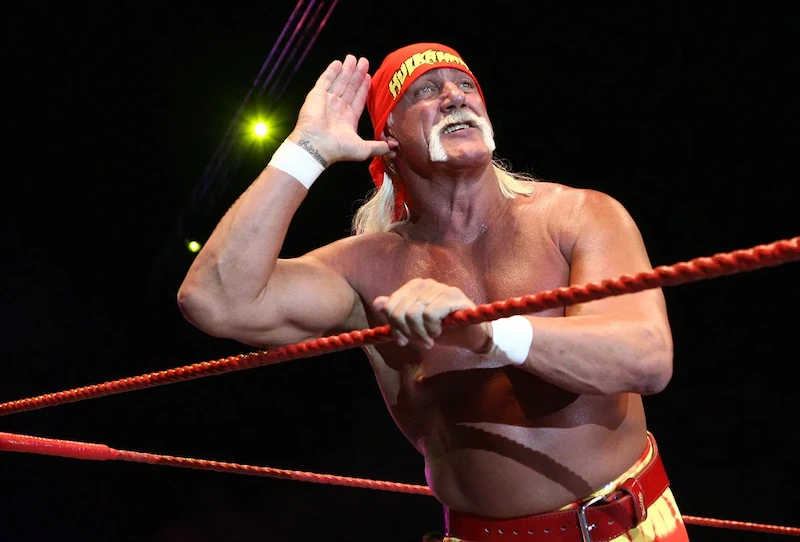


Terry Bollea, better known by the entire world as Hulk Hogan, wasn’t just a pro wrestler. He was the wrestler. A walking spectacle. A bandana-clad, mustache-rocking, 300-pound American icon with biceps big enough to make comic book heroes insecure. On Thursday morning, the man who turned a rowdy, fringe sport into a global entertainment powerhouse died at the age of 71.
The news hit hard and fast. A cardiac arrest call went out from Clearwater, Florida. Less than two hours later, Hogan was gone. No signs of foul play, police said. Just the quiet end of a very loud life.
You didn’t have to follow wrestling to know Hogan. You just had to be alive in the ‘80s or ‘90s. He was everywhere. Slamming giants in packed arenas, tearing shirts in front of hysterical crowds, popping up in movies and commercials, shouting “Whatcha gonna do, brother?!” like the world depended on it. In truth, for a lot of fans, it did.
He wasn't just the main event of the first-ever WrestleMania in 1985 — he was WrestleMania. And by the time he lifted Andre the Giant at WrestleMania III, Hulkamania had already broken out and gone global. His red-and-yellow gear became a uniform for millions of kids. His catchphrases echoed through playgrounds. Wrestling was no longer a niche hobby — it was a cultural wave, and Hogan was riding high on top of it.
But the ring couldn’t hold him. Hogan crossed into movies — remember Thunderlips in Rocky III? — and reality TV, with Hogan Knows Best pulling back the curtain on his larger-than-life persona. He became a brand. A symbol. A meme before memes existed.
His public life wasn't all body slams and crowd pops. Hogan’s legal war with Gawker ended with a jaw-dropping $140 million verdict in his favor — a defining moment in the modern battle over privacy and media responsibility. But that same tape also exposed the worst of him: a racist rant that led WWE to distance itself for years. He later apologized, but the damage lingered.
Still, the man never stopped evolving. Or surprising. At the 2024 Republican National Convention, Hogan burst out again — shirtless under a leather vest, this time backing Trump with the same chest-thumping energy he used to hype WrestleMania. He shouted “Let Trumpamania run wild, brother!” to a roaring crowd. A surreal, only-in-America moment — somehow perfectly fitting for a man who always lived somewhere between wrestling script and real-world chaos.
Even in his final year, Hogan was pushing the business forward. He signed on to lead a new league — Real American Freestyle — an attempt to bring unscripted wrestling into the spotlight. It wasn’t just nostalgia. Hogan wanted to shape the next generation, pass the torch, show the kids how to bring the crowd to their feet.
Born in Georgia, raised in Florida, Hogan’s early wrestling dreams started in a Tampa gym. He got his leg broken in training, went home, and came back stronger. That resilience never left. Whether fighting in the ring or fighting for his public image, Hogan never backed down.
In 2002, years after most wrestlers have faded into the background, Hogan returned to WWE. And then came that match — him versus The Rock. He lost. But the fans cheered louder for Hogan. The moment didn’t belong to the winner. It belonged to the legend.
He was more than just a headliner. He was a showman. A brawler. A cartoon come to life. He was the kind of hero kids believed in — muscles, morals, and just enough madness to keep it interesting.
Hulk Hogan leaves behind a complicated legacy — triumph, controversy, and plenty of broken chairs. But he also leaves behind millions of memories. If you ever shouted “brother” to punctuate a sentence, you owe that to Hogan. If you ever flexed in the mirror as a kid and called your arms “pythons,” you do too.
The arena lights may dim, but the echoes of Hulkamania will rumble on.
Rest in power, Hulkster. You bodyslammed the world — and it cheered.