


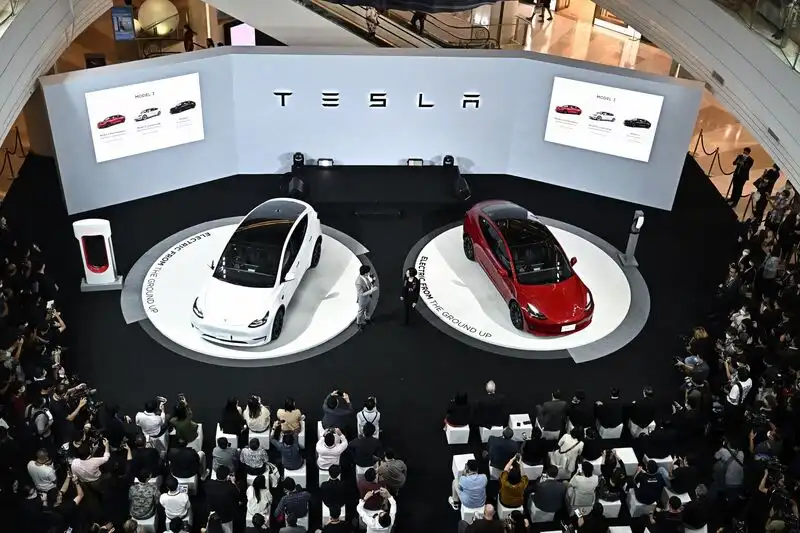


Tesla Inc.'s latest quarterly numbers have impressed industry watchers, exceeding expectations with its delivery numbers and production figures. However, attention is now turning to the impact on margins of prioritizing growth over profitability in the second quarter. Additionally, there are concerns about Tesla's reliance on its two main vehicle models, the Model Y SUV and the Model 3 sedan, which have accounted for 97% of the company's deliveries this year.
While the Model Y and Model 3 have been successful, with the former being the highest-volume luxury vehicle globally last year, they were introduced three and six years ago respectively. To maintain momentum, Tesla has significantly reduced prices, qualified for federal tax credits, and offered incentives such as free fast-charging. Despite these efforts, the company produced approximately 13,300 more vehicles than it sold in the last quarter and has accumulated a backlog of around 74,300 vehicles over the past year.
According to Bernstein analyst Toni Sacconaghi, Tesla may need to further reduce prices or increase promotional activities, which could put pressure on margins. The upcoming release of the Cybertruck later this year may offer some relief, but Tesla CEO Elon Musk has cautioned that initial production will be slow due to the challenges of making the pickup affordable with new manufacturing methods.
Until Tesla can introduce lower-cost next-generation models, which Bernstein doesn't anticipate before 2025, the company will need to find ways to maximize the potential of its existing models. Tesla has been working on refreshed versions of the Model 3 and Model Y, code-named Project Highland and Project Juniper. However, it remains uncertain when these updates will be ready, and whether Tesla will need production downtime at its facilities to implement the necessary changes.
Tesla's minimalist approach to its vehicle lineup has served it well during the pandemic, allowing for easier management of supply chain disruptions. However, Musk is now pushing the limits of this strategy, and a combination of price cuts and product rejuvenation will likely be needed to meet market expectations for continued growth.