


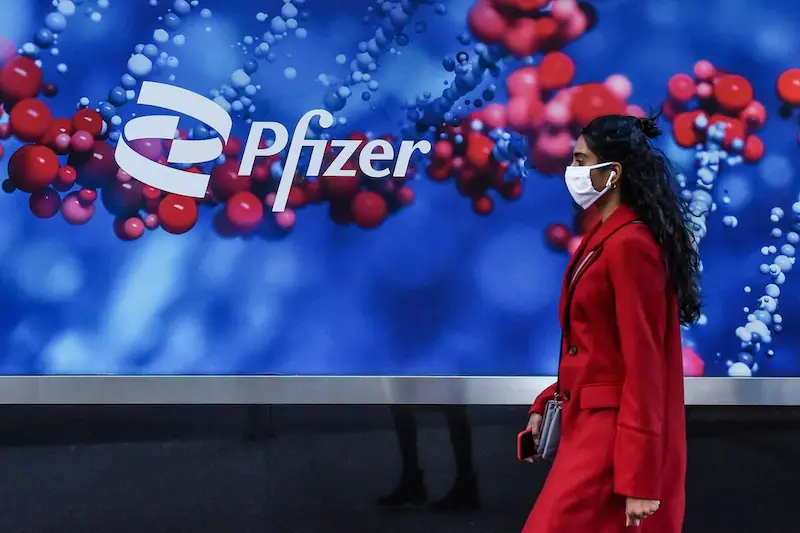


The proposed $43 billion takeover of Seagen Inc. by Pfizer Inc. will undergo investigation by the European Union's merger enforcers, as the bloc continues to closely examine large biotechnology deals. Seagen, a US-based cancer-drug maker, disclosed in a regulatory filing that both companies will notify the deal to the European Commission, which has accepted jurisdiction for investigating the merger. The EU approval is a prerequisite for the completion of the deal.
Under EU merger laws, Pfizer and Seagen have the right to request that their deal be examined by the European Commission, rather than individual EU nations where the acquisition has an impact. A commission spokesperson indicated that pre-notification discussions with the companies can commence after the merger is deemed to have an EU dimension.
In the United States, the Federal Trade Commission (FTC) will subject the proposed merger to an in-depth antitrust review, as is customary for major deals. Pfizer and Seagen had already anticipated thorough scrutiny from the FTC when the takeover was announced in March. By acquiring Seagen, Pfizer aims to shift its focus away from the pandemic and expand its pipeline of early-stage experimental cancer therapies. Seagen is particularly known for its expertise in antibody-drug conjugates, a type of medicine that utilizes antibodies to deliver a concentrated dose of medicine directly at the tumor site, aiming to enhance efficacy while minimizing side effects.
If the takeover is approved, Seagen's portfolio would effectively double Pfizer's pipeline of early-stage experimental cancer treatments. This move aligns with Pfizer's strategy to reinforce its presence in the oncology sector and demonstrates its commitment to leveraging innovative approaches in cancer treatment.
The scrutiny from the European Union comes amidst the bloc's ongoing scrutiny of major biotech deals. Just this week, the EU imposed a €432 million ($476 million) fine on DNA-sequencing giant Illumina Inc. for proceeding with its $7 billion acquisition of cancer-test provider Grail Inc. without obtaining regulatory approval. EU regulators are also expected to issue a divestiture order for that acquisition later this year. These instances highlight the EU's dedication to closely monitoring and regulating mergers and acquisitions within the biotech industry to ensure fair competition and protect consumer interests.