


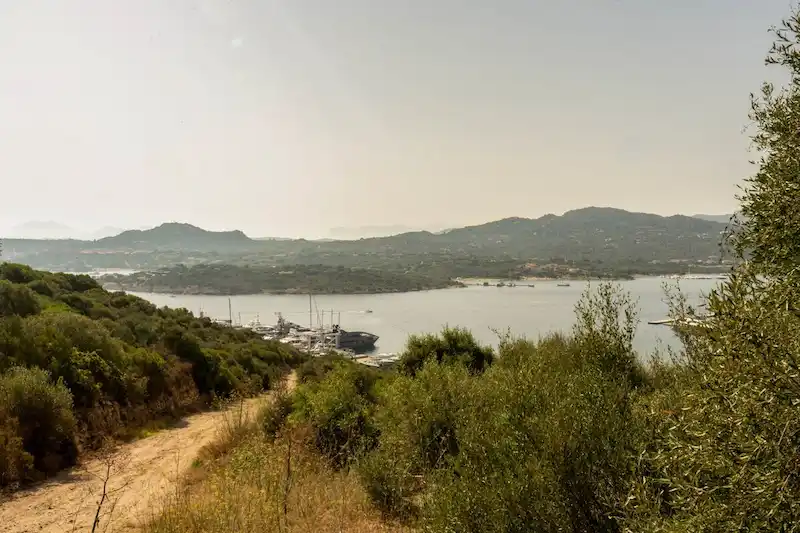


Unprecedented Sea Temperatures Send Alarm Signals in the Mediterranean. This summer, the Mediterranean Sea is experiencing yet another record-breaking event, as sea temperatures reach unprecedented levels. Last week, the surface temperature of the Mediterranean hit a median of 28.7°C, marking the highest recorded temperature for any day since at least 1982, according to Spain's Institute of Marine Sciences. With August traditionally being the hottest period for the sea, this newly set record might soon be surpassed.
The significance of these scorching sea temperatures should not be underestimated. While the spike in temperatures in the Mediterranean may seem less dramatic compared to the scorching conditions on land, it poses a considerable threat to marine life. Recent temperature readings have been extreme, even reaching as high as 48°C in Sardinia, while local temperature records have been broken in Rome and Catalonia this summer.
One of the most vulnerable species impacted by these rising sea temperatures is the Posidonia oceanica, a seagrass that forms vast underwater meadows. This endemic species plays a crucial role as both a carbon sink and a vital nursery for fish in the Mediterranean. However, if the water temperature rises too high, the growth of Posidonia oceanica can be impeded, or worse, it can lead to its demise. Marine scientists working with the World Wide Fund for Nature's Mediterranean Marine Initiative have expressed concerns about the potential damage caused by recent high temperatures.
Similarly, another marine species affected by these extraordinary sea temperatures are red gorgonians, a type of coral typically found at depths below 25 meters. Normally protected from fluctuations in surface water temperature, they have fallen victim to marine heatwaves in the past. Scientists believe that the temperatures observed in recent weeks might have already impacted the red gorgonians.
Simon van Gennip, a research scientist at non-profit organization Mercator Ocean International, describes the recent sea surface temperatures as "frightening" and highlights the Mediterranean Sea as a "lab for climate change," as it is one of the fastest warming areas in the world's oceans.
The warming of the Mediterranean Sea can be attributed to the combination of energy from the summer sun and the positioning of the jet stream, according to Joel Hirschi, associate head of marine systems modeling at the UK-based National Oceanography Centre. The jet stream, a powerful air current flowing around the planet, has shifted in a way that allowed warm air from North Africa to push northward into the Mediterranean and southern Europe.
While the situation in the Mediterranean is alarming, it is not an isolated incident. Approximately 44% of the global ocean recently experienced marine heatwaves, leading to coral bleaching, harmful algal blooms, and other adverse impacts. Notably, North America's west coast experienced a notorious marine heatwave known as "The Blob" in the mid-2010s, resulting in severe consequences for Pacific cod, seabirds, and salmon populations.
Joaquim Garrabou, a senior scientist at the Spanish Institute of Marine Sciences, compares the impact of rising sea temperatures on marine life to a forest fire. Like trees and plants that cannot escape danger, marine species stand helpless and suffer the detrimental consequences.
The Mediterranean Sea, often referred to as a climate change hotspot, has witnessed an increase in temperature of approximately 1°C between 1993 and 2021, as reported by Mercator. It is also a hub of biodiversity, hosting up to 18% of known marine species, many of which are unique to this region, despite representing only 0.3% of the global ocean volume.
In addition, warmer waters provide an opportunity for invasive marine species to thrive. In the Mediterranean Sea, species such as rabbit fish, which were previously deterred by colder temperatures, are now being found in substantial numbers, further disrupting the fragile balance of the ecosystem.
The current heatwave gripping the Mediterranean Sea serves as a stark reminder of the urgent need to address climate change and safeguard the delicate marine habitats that are increasingly under threat. Efforts must be intensified to mitigate the devastating impacts of rising sea temperatures and ensure the preservation of this invaluable natural resource and its diverse marine life.