




Climate change is having a profound impact on agricultural crops, as pests and diseases thrive in the changing conditions. This is leading to widespread crop shortages and soaring prices for commodities like cocoa, olive oil, and orange juice. In fact, plant diseases cost the global economy over $220 billion annually, with invasive insects causing at least $70 billion in damages, according to the UN's Food and Agriculture Organization.
The increasing temperatures associated with climate change provide ideal conditions for pests to multiply and migrate more quickly. Insects adapt easily to these changing climates, reducing crop yields and spreading diseases at a faster rate. As warmer temperatures expand the geographic range of insects, the diseases they carry become more prevalent. Increased rainfall and irregular weather patterns further contribute to the spread of diseases.
One of the crops severely impacted by pests and diseases is cocoa, which is primarily grown in West Africa. Black pod disease, caused by fungal-like organisms, has destroyed up to 30% of annual cocoa crops. Prolonged heavy rain and irregular weather patterns create favorable conditions for this disease to spread. Another threat to cocoa crops is the swollen shoot virus, transmitted by mealybugs that thrive in warmer temperatures. This virus significantly reduces crop yields and eventually kills the plant, leading to a 20% infection rate in Ivory Coast.
Tomatoes have also suffered from the increase in pests and diseases. The silverleaf whitefly, a sap-feeding insect, transmits hundreds of plant viruses and has significantly impacted tomato production. The tomato leaf curl virus, transmitted by these whiteflies, has caused devastating losses in India and has recently spread to several European countries. The adaptability of these insects to changes in agro-ecosystems, combined with the right environmental conditions, has led to a buildup of these destructive pests.
Olive farmers in Europe, particularly in Spain, are facing their own crisis as drought and rising temperatures affect production. Xylella fastidiosa, a dangerous plant bacteria, has the potential to cause annual losses of €5.5 billion in the EU. Rising temperatures make it more difficult to fend off this disease, which clogs vessels that carry water from roots to leaves, slowly killing the plants. In Italy, millions of olive trees have already been infected, with significant consequences for olive oil production.
Grains, such as corn, have been impacted by pests like the fall armyworm, which is now found worldwide. Warmer and humid weather supports the survival and reproduction of these pests, allowing them to attack crops earlier in their cycle. This poses a significant threat to corn production in countries like China.
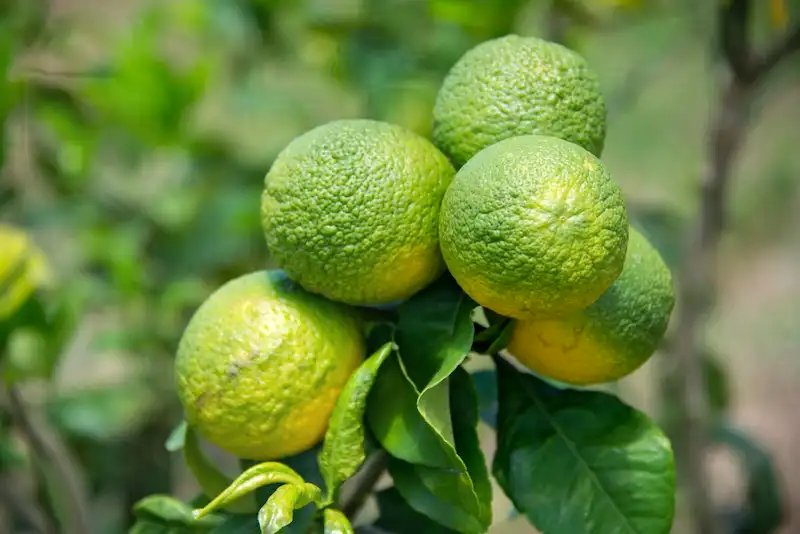
Finally, orange growers in Florida, Brazil, and other parts of the world are struggling with the citrus greening disease. This disease, transmitted by the Asian citrus psyllid, causes fruits to wither and produce bitter juice. The increasing temperatures associated with climate change benefit the spread of these insects, leading to a global shortage of oranges and pushing the price of orange juice to record highs.
In conclusion, climate change is exacerbating the destruction of agricultural crops by pests and diseases. The increasing temperatures and changing weather patterns created by climate change provide ideal conditions for pests to thrive and diseases to spread. This has led to significant crop shortages and soaring prices for commodities like cocoa, olive oil, and orange juice. Urgent action is needed to address the impact of climate change on agriculture and develop resilient farming practices.