




According to human rights groups, Iran executed at least 582 people in 2020, a 75% increase from the previous year. The rise in executions is believed to be an attempt by Tehran to "instill fear" among anti-regime protesters. Two organizations, Iran Human Rights (IHR) and Together Against the Death Penalty (ECPM), reported that the majority of the executions were of people accused of murder and drug-related offenses. The report also mentioned that 90% of the executions were not announced by Iranian authorities, and some were carried out in secret.
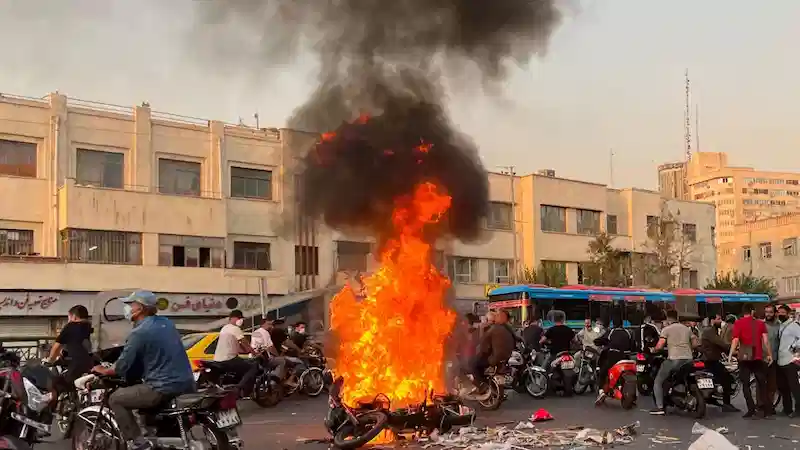
The increase in executions is believed to be a response to a nationwide uprising sparked by the death of 22-year-old Mahsa Amini in September 2020. Iranian authorities have responded to the protests with mass arrests and sham trials, drawing global condemnation and sanctions from the United States. The report documented 15 executions carried out on the vaguely defined charges of "enmity against God" and "corruption on Earth."
The crackdown on protesters has been criticized by the United Nations High Commissioner for Human Rights Chief Volker Turk, who has warned that Iran is facing a "full-fledged human rights crisis." The report revealed that more than half of the executions last year took place after the protests erupted in September. Additionally, 44% of all those sentenced to death were accused of drug-related offenses, despite no evidence of a significant rise in drug use or trafficking reported by international agencies.
Mahmoud Amiry-Moghaddam, the director of IHR, suggested that Iran would have executed even more people if it had not been for "international reactions to the death sentences against protesters," which had made it difficult for the Islamic republic to proceed with the killings. The report urged the international community to "increase efforts to support the demands of the Iranian people for respect of their fundamental human rights and the abolition of the death penalty."