


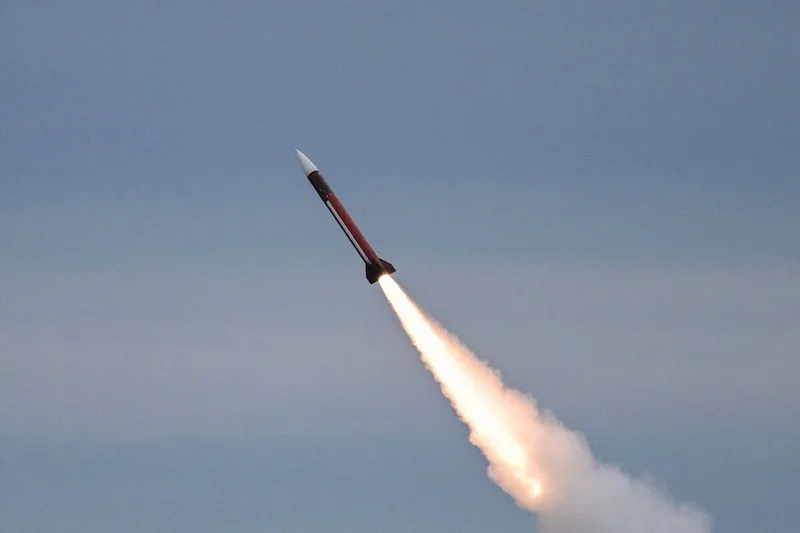


In a significant shift, Japan has relaxed its restrictions on arms exports and has officially approved a plan to sell Patriot missiles to the United States, its ally. The decision allows completed defense equipment manufactured under license in Japan to be exported back to the country of origin. Officials, who wished to remain anonymous, revealed that Japan plans to sell PAC-2 and PAC-3 interceptors made in Japan to the US. This move marks the first time Japan will export lethal weapons and comes alongside the approval of a record defense budget as the country bolsters its military capabilities and strengthens alliances to counter threats from China and North Korea.
Former defense minister Itsunori Onodera highlighted the significance of this development, stating that it marks an important step forward in the alliance between Japan and the US. Previously, it was the US that provided technology to Japan, and now Japan's ability to cooperate by supplying equipment supports the alliance.
The PAC-2 and PAC-3 interceptors are designed for missile defense and have reportedly been deployed in Ukraine. Japan will provide these interceptors from its existing stockpile, with the government budgeting an undisclosed amount for inspection. While Japan restricts the transfer of these missiles to war zones, the sales will help replenish US stocks, potentially enabling the US to provide further support to Ukraine amid a faltering aid situation.
Patriot interceptors are produced in Japan by Mitsubishi Heavy Industries (MHI) under license from RTX Corp and Lockheed Martin Corp. MHI's shares have seen a significant increase of about 48% in the past year, partly due to the rise in defense spending. The government has not yet determined the number of Patriot missiles to be transferred or the cost associated with the sale.
US Ambassador to Japan, Rahm Emanuel, praised Japan's actions, emphasizing the unprecedented scale, scope, and speed of Japan's defense expansion. The provision of missiles will provide flexibility for the US inventory.
In addition to approving missile exports, Japan's cabinet has also agreed to a 16.5% increase in defense spending, reaching a record high of ¥7.95 trillion ($55.8 billion). However, Prime Minister Fumio Kishida's government has yet to clarify how it will finance this expansion, and concerns over potential tax increases have contributed to growing disapproval among voters.
While the defense budget appears historically large in yen terms, the value of Japan's currency has decreased. When taking into account the exchange rate, the budget for next year comes to $55.5 billion, a slight decrease from previous years. However, approximately 20% of planned defense spending will be impacted by exchange rates, according to the DefenseMinistry.
The budget includes allocations for two missile-defense ships equipped with Lockheed Martin's Aegis combat system and funds for Lockheed Martin's F-35 fighter aircraft. Furthermore, funds will be set aside for the joint development of a new fighter jet with the UK and Italy. However, Japan has yet to decide on allowing exports of the new aircraft to other countries, with a decision expected by the end of February.
Japan's decision to relax arms export restrictions and facilitate the sale of Patriot missiles to the US highlights the country's growing military capabilities and its commitment to strengthening alliances. It also reflects Japan's determination to address regional threats and contribute to global security efforts.