


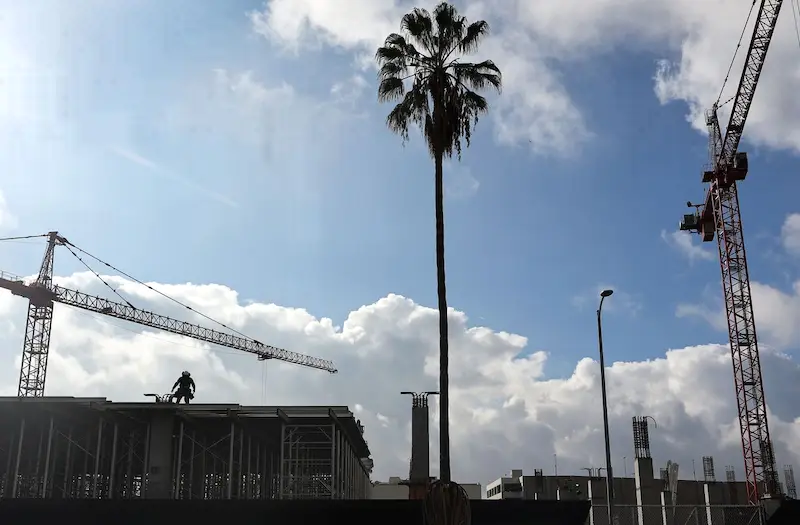


In response to an urgent need for affordable housing across Los Angeles, Mayor Karen Bass signed Executive Directive 1 (ED 1) in December 2022, aiming to streamline the approval process for 100% affordable housing projects. This directive, which bypasses certain codes and regulations, has facilitated the development of over 16,150 affordable housing units in the city, a significant increase from previous years. The success of ED 1 lies in its expeditious nature, allowing approvals within a 60-day window and building permits to be issued in just five days, without the need for additional funding or subsidies.
Builders and developers have welcomed the changes brought about by ED 1, with projects now financially viable without public financing or subsidies. The simplified process has sparked enthusiasm within the development community, leading to the pursuit of 100% affordable projects that were previously considered unfeasible. The economic viability of these projects has been enhanced, with studio rentals projected to be priced below $1,800 per month, offering a much-needed solution in a city where median rents are as high as $2,800.
Despite the positive impact of ED 1 on streamlining construction permitting, challenges have arisen in getting these projects off the ground. Community resistance, particularly in areas dominated by single-family homes, has prompted Mayor Bass to rescind the single-family aspect of ED 1. This move has left several projects in limbo, leading to appeals and legal disputes between developers and community groups. Additionally, concerns about neighborhood displacement and gentrification have emerged, highlighting the complexities of addressing the housing crisis while balancing community needs and interests.
The focus now shifts towards potential policy changes that could institutionalize the streamlining reforms introduced by ED 1. City lawmakers are considering formalizing the program's initiatives through an ordinance awaiting a full City Council vote. Furthermore, initiatives like ED 7, aimed at accelerating all types of housing in Los Angeles, are expected to provide additional insights and solutions to boost housing production in the city.
Looking beyond ED 1, the future of affordable housing construction in Los Angeles faces both opportunities and obstacles. While the program has demonstrated the effectiveness of ministerial processing and expedited approvals, questions remain about the equitable distribution of affordable housing and the impact on neighborhood dynamics. Addressing these challenges will require a collaborative approach that balances the urgent need for housing with community concerns, ensuring that future development initiatives benefit all residents of Los Angeles.