




In a surprising turn of events, sales of Swiss-made luxury watches have taken a sharp nosedive as consumer confidence wavers, leading to a significant slump in demand in a key market for the industry. The latest reports from Switzerland's major watchmaking conglomerates, Richemont and Swatch Group AG, have confirmed a substantial drop in sales, primarily driven by challenges in the Chinese market. This downturn marks a stark contrast to the industry's previous boom during the pandemic, where affluent customers redirected their discretionary spending towards high-end timepieces due to limited travel and dining opportunities.
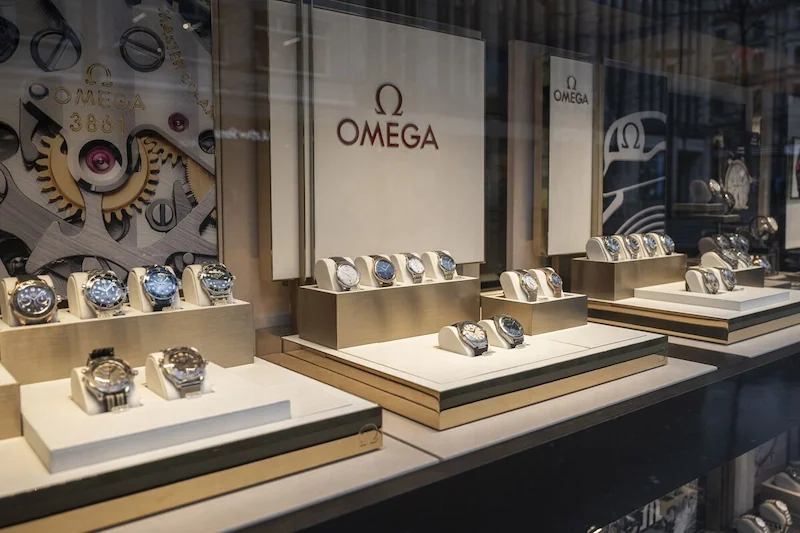
The sales figures revealed by Richemont and Swatch Group AG shed light on the magnitude of the retreat, with Richemont experiencing a 13% dip in watch sales, largely attributed to a staggering 27% decrease in Greater China. Swatch Group AG, which houses renowned brands like Omega and Blancpain, faced a 30% decline in China sales for the first half of the year, resulting in an overall 14% decrease in sales and a notable 70% drop in operating profit.
The repercussions of this sales slump are reverberating across the Swiss watch industry, with watch component suppliers grappling with deferred orders from major Swiss brands. Some suppliers have even resorted to measures such as reducing work hours for staff. The Swiss watch industry, a critical pillar of the country's economy employing over 65,000 individuals and ranking as the third-largest export sector, is feeling the brunt of the downturn.
Swatch Group's CEO disclosed that some watch brands had postponed orders from suppliers amidst a significant production cut of 20% to 30%, underscoring the industry-wide adjustment to the changing market dynamics. The forthcoming monthly Swiss watch export data is anticipated to reflect the slowdown, following a 2.5% decline in wholesale watch exports for the initial five months of 2024.
The impact of China's weakening demand isn't confined to the watch industry alone; it has cast a shadow over the broader luxury sector. Recent events such as Hugo Boss revising its profit forecast downwards due to market weaknesses in China underscore the far-reaching consequences of the Chinese slowdown. Even the secondary market for luxury watches has witnessed a notable correction in prices, with values declining for the ninth consecutive quarter, indicating a sustained trend of price depreciation.
Amidst these challenges, leading Swiss watch brands are facing heightened pressure to navigate the evolving market landscape. With primary market watch sales projected to decline by approximately 5% this year, the pricing power of Swiss watch brands is being increasingly influenced by the dynamics of the secondary market. The interplay between new watch prices and secondary market values is reshaping the industry's competitive dynamics, raising questions about the sustainability of traditional pricing models in the face of shifting consumer preferences and market conditions.