


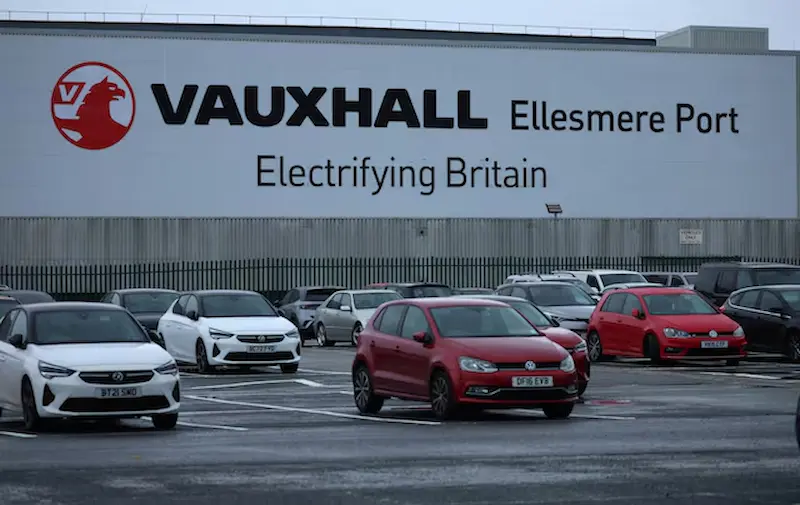


Stellantis has announced its decision to close the Vauxhall van factory in southern England, putting over 1,000 jobs at risk. The company, a conglomerate that includes brands such as Peugeot, Citroën, Chrysler, and Fiat, cited a challenging trading environment as the reason for this move. Instead, Stellantis will consolidate its production of light commercial vehicles at the Ellesmere Port site in northern England, where it plans to invest £50 million in creating an all-electric vehicle hub.
The relocation of "hundreds of jobs" from Luton, located near London, to the Ellesmere Port site is part of this strategic shift. The company has initiated consultations with employees and unions regarding this decision. Despite the move being a positive step for the Ellesmere Port plant, it has raised concerns for the families of employees at the soon-to-be-shuttered Luton facility.
Stellantis, formed from the merger of Fiat Chrysler and PSA, did not disclose the exact number of jobs that would be impacted by the closure. In June, the automaker urged the British government to incentivize the demand for electric vehicles to meet regulatory requirements, warning that a lack of action could result in a halt to its British production.
This closure comes at a time when several automakers, including Volkswagen, Ford, Nissan, and GM, are reducing their workforce due to weakening EV demand and intense competition from Chinese manufacturers. Furthermore, European carmakers are bracing for potential tariffs on imports to the U.S. following President-elect Donald Trump's statements.
Stellantis had previously issued a profit warning in September, projecting a cash burn of up to 10 billion euros by 2024. The company's decision to shift towards electric vehicles reflects its adaptation to the changing automotive landscape and regulatory environment, albeit at the cost of jobs at the Vauxhall van factory in England.