


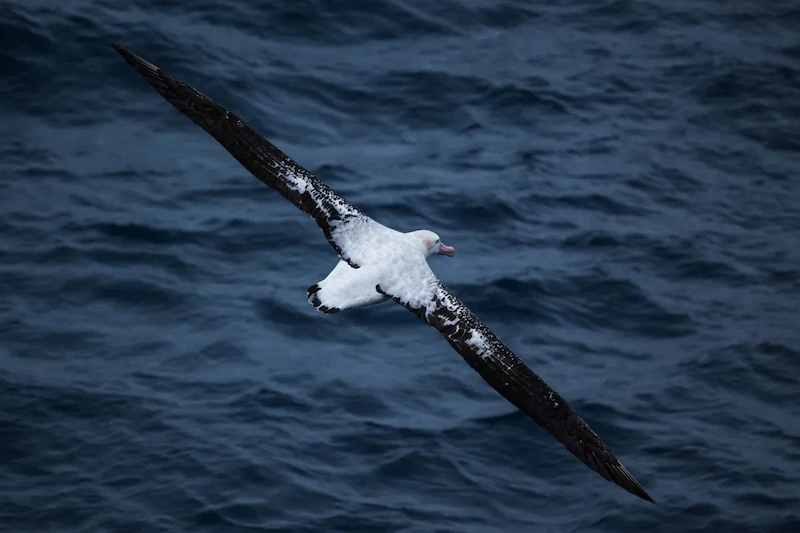


In a remote island group nestled between South Africa and Antarctica, a fast-spreading form of bird flu has dealt a devastating blow to the breeding colonies of wandering albatrosses. The High Pathogenicity Avian Influenza (HPAI) H5N1 virus has been confirmed on Marion Island, causing significant mortality among the fragile bird populations.
Of the nearly 1,900 wandering albatross chicks born on the island in 2024, approximately 150 have already succumbed to the virus. Additionally, adult brown skuas, king penguins, giant petrels, and sooty albatrosses have also fallen victim to the outbreak. The impact of adult bird deaths is particularly concerning as most species only begin breeding between three to ten years of age and typically raise only one chick per year.
Marion Island and its neighboring Prince Edward Island are renowned as vital seabird conservation sites, hosting millions of birds from 31 different species. Efforts to monitor and contain the spread of the virus on the island are underway to safeguard the remaining populations.
The spread of HPAI has been a global concern since 2021, affecting both domestic and wild bird populations. It was first detected in South Georgia in October 2023 before reaching Antarctica in February of the following year. On Marion Island, the first suspected case was identified in a brown skua in September. These uninhabited islands are primarily occupied by researchers studying the diverse wildlife present.
The wandering albatross, with the largest wing-span of any bird, is particularly vulnerable to the outbreak. Globally, an estimated 25,000 of these majestic birds exist, known for their habits of following ships across the open ocean.
This outbreak adds to the existing threats faced by birds on Marion Island, including predation by mice. The island is also home to the world's largest mouse-eradication project, as these invasive pests pose a significant risk to both adult birds and their hatchlings. The conservation efforts on Marion Island continue in the face of this new challenge, aiming to mitigate the devastating impacts of the bird flu outbreak on the delicate ecosystem.