


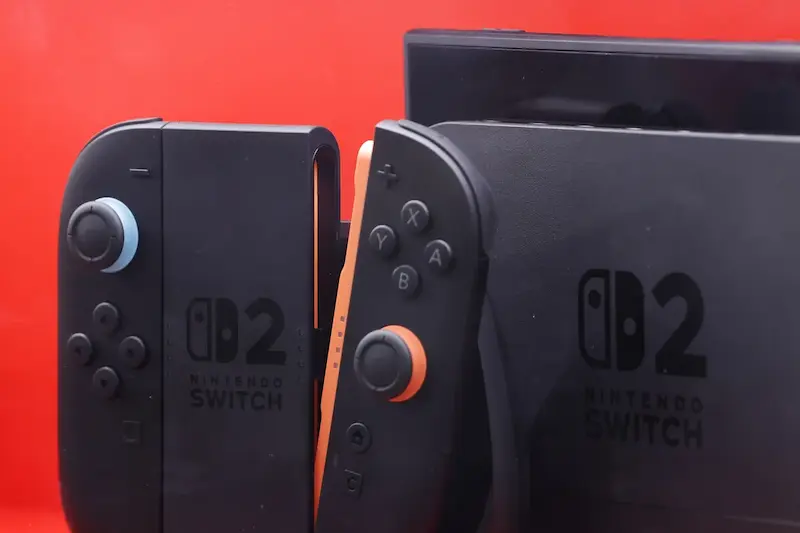


So here we are. Another gaming console enters the arena, and this time, it’s not just a launch—it’s a thunderclap. Nintendo’s new Switch 2 didn’t just show up. It blew the doors off.
In June, 1.6 million shiny new units of the $450 console found homes across the United States. That number may not mean much at first glance, but in the gaming world, it's a big deal. It’s more than big—it’s historic. No other console has sold this fast in the U.S. during its launch month. Not the Xbox 360, not the PS4, not even Nintendo’s own original Switch. For perspective, the PS4 previously held that crown with 1.1 million units sold back in 2013.
The reaction? Instant buzz. Stores selling out. Pre-orders gone in seconds. People lining up again—like it’s 2006 and the Wii just dropped.
And it’s not just consoles flying off shelves. According to Circana, a firm that tracks industry data, U.S. spending on game hardware and accessories in June hit an all-time record: $978 million. That’s a number that doesn't lie. In a year where the broader market looked sluggish, the Switch 2 almost single-handedly supercharged the whole sector.
Japan, naturally, followed suit. Nintendo’s home turf has already seen the Switch 2 break its own records, becoming the fastest-selling console there as well, based on numbers from Famitsu. It’s rare for a console to dominate in both markets simultaneously, but here we are.
Now, it’s easy to look at this and think Nintendo’s got it in the bag. But that would be premature. Mat Piscatella from Circana made a good point that’s worth lingering on. Early adopters are a special breed. These are the die-hards, the ones who’d probably buy a Nintendo toaster if it had a Mario logo on it. They’re excited, loyal, and not shy about spending money. But the rest of the world? The bigger, slower-moving crowd that waits for price drops, bundles, and Christmas sales? That’s the audience Nintendo needs to win over next.
The Switch 2 isn’t just another upgrade. It’s a high-stakes evolution of a console that redefined Nintendo’s direction. The original Switch merged portable and home gaming in a way that made competitors scramble to catch up. With that move, Nintendo streamlined its development pipeline—one device, one software ecosystem, one focus. But it also placed all its chips on a single square.
That gamble worked before. But can it work twice? So far, signs point to yes. Early reviews of Donkey Kong Bananza, which dropped July 17, are glowing. Fans are calling it a return to form, a game that feels like vintage Nintendo—vibrant, tight, joyful. The kind of title that drives word-of-mouth and keeps people talking. If that momentum continues, especially into the holidays, Nintendo could be looking at one of its strongest years in a decade.
But one thing’s clear: it’s not just about the numbers anymore. It’s about the magic. Nintendo has always thrived when it makes people feel something—nostalgia, surprise, fun that doesn’t take itself too seriously. The Switch 2 has the horsepower, sure. But it’s that spark, that intangible Nintendo-ness, that will determine if this blistering start becomes a long-term win.