


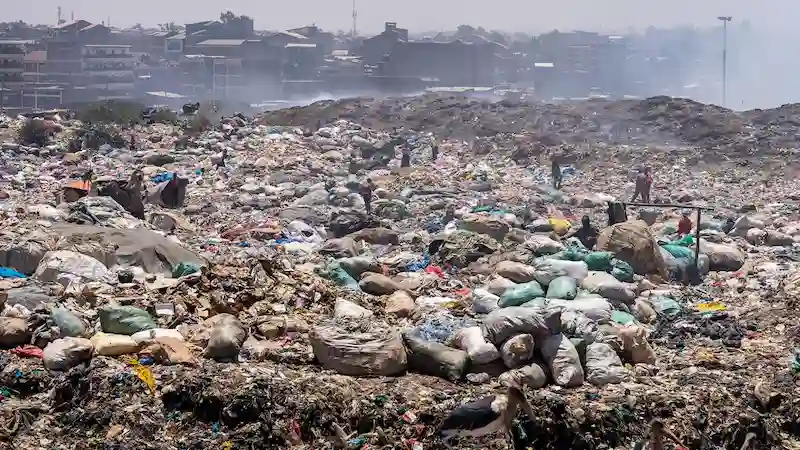


The United Nations Environment Programme (UNEP) has released a report outlining a plan to reduce global plastic pollution by 80% by 2040. Plastic pollution is a growing problem that affects every part of the world, from the Arctic to the oceans and the air we breathe. The report highlights three strategies to tackle the problem: reusing plastics, recycling, and alternative materials.
According to the report, the most effective way to reduce plastic pollution is by reusing plastics. This can be achieved by promoting refillable bottles, deposit programs, and packaging take-back programs. The report estimates that this strategy could reduce plastic pollution by 30% by 2040.
Scaling up recycling levels could further reduce plastic pollution by 20%. Currently, only around 9% of plastics are recycled globally each year, with the rest ending up in landfills or incinerated. The report recommends discontinuing fossil fuel subsidies that help make new plastic products cheaper, as this disincentivizes recycling and the use of alternative materials.
The use of appropriate alternative materials for single-use products, such as wrappers and sachets, could reduce plastic pollution by 17%. This includes switching to compostable materials that more easily break down.
The report estimates that the investment needed for these changes will cost around $65 billion a year, but the benefits far outweigh the costs. Moving to an economy where plastic is reused and recycled could bring $3.25 trillion in savings by 2040, by avoiding the negative impacts of plastic on climate, health, air, and water.
Cutting plastics by 80% would also save 0.5 billion tons of planet-warming carbon pollution a year and create 700,000 new jobs, mostly in developing countries.
However, the world will still have to manage around 100 million metric tons of plastic waste from short-lived products by 2040, equivalent to almost 5 million shipping containers. Tackling this will require stricter standards for non-recyclable waste and increasing the responsibility of manufacturers for the impacts of their plastic products.
The report comes ahead of a second round of negotiations in Paris this month aimed at agreeing on an international plastics treaty, which would address the whole life of plastics from production to disposal. Whether the treaty will include curbs on plastic manufacturing remains a point of contention.