


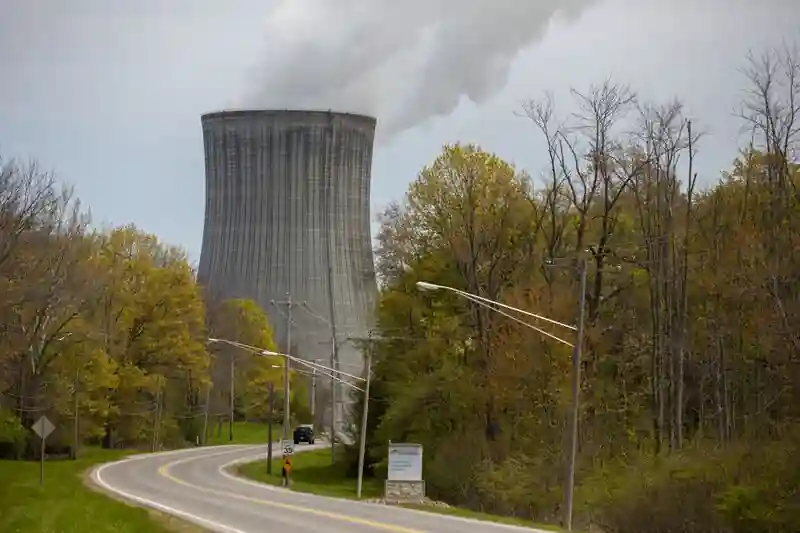


US energy company Constellation Energy has been forced to put its ambitious $1bn plan to produce hydrogen on hold due to uncertainty surrounding the tax credit it was expected to receive. The company was planning to leverage carbon-free nuclear power to produce hydrogen at several reactors in the Midwest. However, the Inflation Reduction Act that provided for a $3 per kilogram subsidy included no specific guidance as to how hydrogen suppliers would qualify. The US Treasury Department is expected to provide this information in the coming months. Clean hydrogen has the potential to make significant climate savings, and the industry is expected to grow to 10 million metric tons annually by 2030, driven largely by industrial consumption.
Despite the potential upside, the tax credit would not benefit Constellation's project if it imposed strict limits urged by environmentalists and Democrats on the industry's access to it. The company wants to create hydrogen using nuclear reactors to offer a low-carbon alternative to processes that rely on fossil fuels. However, some environmentalists are concerned about using current clean-energy facilities to generate hydrogen. They argue that diverting electricity to make hydrogen would mean less clean power on the grid, creating a gap that may be filled with power from natural gas or coal. The NRDC has submitted comments to the US Treasury outlining criteria for being able to claim the full clean hydrogen tax credit known as 45V, including restricting eligibility to new power plants.
Constellation began producing pink hydrogen – produced using nuclear energy – in March 2021 at its Nine Mile Point plant in upstate New York. The company is also looking at blending gas and hydrogen at power plants to create a low-carbon solution, with its Hillabee site in Alabama testing 38% hydrogen concentration earlier this year. The company's goal is to increase hydrogen production 400-fold by adding electrolyzers at several of its Midwest power plants. However, the lack of clarity surrounding the tax credit means plans have been shelved, despite negotiations with potential customers and equipment suppliers.
Constellation is urging the US Treasury Department to remove any restrictions to clean hydrogen and its tax credit eligibility, arguing that there is currently no business case for building a new reactor because of the required investment size and the length of time it takes to build. The uncertainty is threatening not only Constellation's project, but could also impact the US's climate targets as it seeks to lower emissions and meet its growing demand for clean hydrogen.