


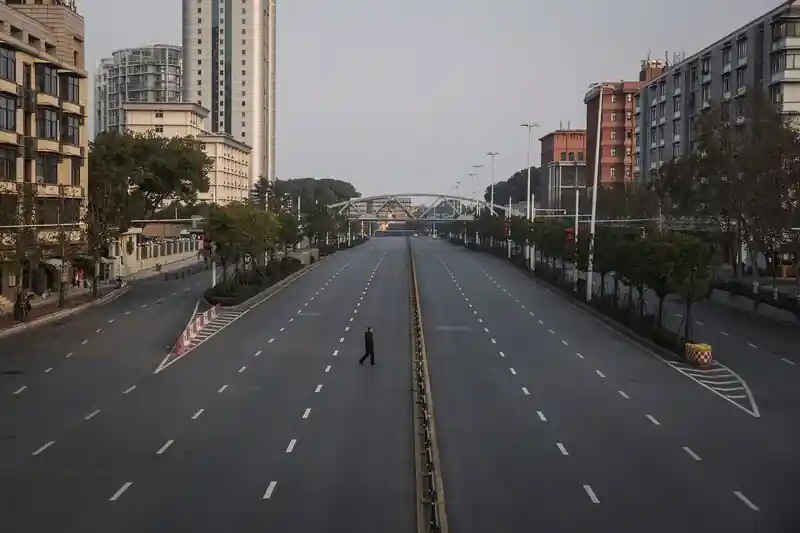


According to a new study conducted by researchers from the University of Aberdeen, lockdowns during the COVID-19 pandemic could lead to memory lapses among some people. The study suggested that the psychological toll of the lockdowns might cause individuals to misremember the timing of recent events. In some cases, the extent of these memory lapses were similar to those observed among some prisoners with distorted time perception.
The researchers found that individuals who’d been living under strict pandemic-era lockdowns exhibited similar levels of error on events that occurred just a year ago, a finding that is usually not common as the misremembering of recent events is mostly associated with those that happened in the distant past. This finding was particularly pronounced among those who felt anxious, stressed, and depressed living under the stringent lockdown measures. The researchers described the feeling of loneliness that resulted from lockdowns, which led to emotional distortions such as higher levels of stress, anxiety, and depression that adversely influenced time judgment ability.
Governments across the world implemented lockdowns that lasted weeks and even months as they scrambled to contain the spread of the coronavirus. People in cities as far-flung as London, Beijing, and Melbourne were forced to stay at home or in close proximity to their homes for extended periods. There have been lingering concerns about the impact of such stringent isolation measures on mental health, especially since the Aberdeen study is one of the first to shed scientific light on the consequences.
The study involved 270 participants aged over 21 who had lived in the UK for the past four years. They were asked to recall the timing of major news events such as Brexit, Meghan Markle joining the British Royal Family, and the start of the COVID-19 vaccination program. Findings showed that participants' ability to recall the timing of events that took place in 2021 was worse than those that occurred during the previous two years. The same level of error was also observed for occurrences that happened as far back as 2017.
The researchers attributed the findings to the social isolation that resulted from the lockdowns. People were deprived of socializing during birthdays, weddings, and other gatherings that they usually used to anchor perception of time. However, not everyone's memory was affected negatively by lockdown-induced mental discomfort. The research also showed that people who demonstrated greater resilience while dealing with such measures were able to recall the timing of recent major events more accurately.