


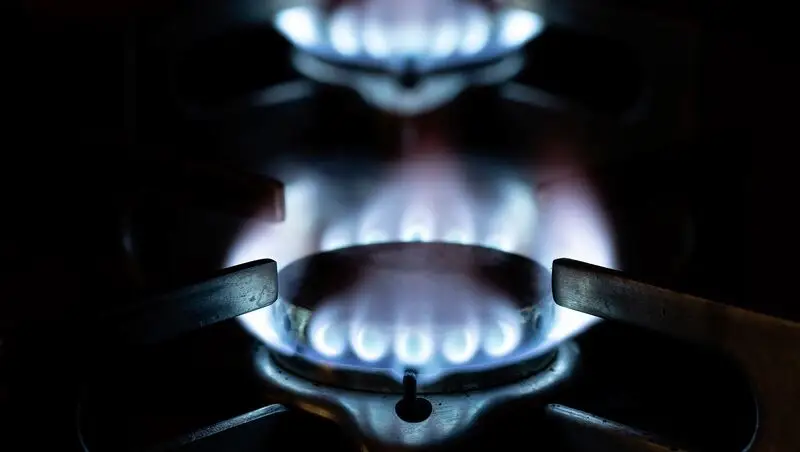


The debate over the use of gas stoves has taken center stage, with concerns over the health and environmental impacts linked to their use. Gas stoves have been linked to the emission of air pollutants that are unsafe, including nitrogen dioxide, carbon monoxide, and fine particulate matter during combustion. Exposure to these pollutants has been linked to respiratory illness, cardiovascular problems, cancer, and other conditions. A recent study revealed that around 12% of childhood asthma cases in the US could be attributed to gas stove use.
Gas stoves also contribute to the warming of the atmosphere, as they produce carbon dioxide when burned. However, what is perhaps more concerning is that methane, the main component of natural gas, often escapes even when these appliances are turned off. Methane has 80 times the warming effect of carbon dioxide for the first 20 years after it's released. A recent Stanford University study also estimated that methane emissions from gas stove appliances in the US have the same global warming potential as about 500,000 cars.
As a result of these concerns, many cities across the United States have taken regulatory action by banning or discouraging new gas hookups for appliances in new homes and buildings. New York City, Los Angeles, and Chicago count among those that have adopted policies for a move towards carbon-free energy.
Despite these efforts, gas stoves have become a part of the US culture wars. While many Democrats support measures to move away from gas stoves, many Republicans have politicized it, claiming it to be a case of overreach by the government. More than 20 states with legislatures controlled by Republicans have even passed laws prohibiting the banning of gas hookups.
The gas industry has played a significant role in shaping the American romance with gas cooking, promoting it through slogans like "Now we're cooking with gas!" and through product endorsements by entertainment figures like Bob Hope and Jack Benny. Competitive cooking shows on television have also romanticized fire, creating a desire for more powerful and expensive gas ranges. Many chefs and homebuilders acknowledge that induction stoves, which use magnets for heating and are safer and less expensive to operate than gas, perform just as well or better than gas stoves, and far better than electric coils.
While it may take time to change America's romance with gas cooking, measures need to be taken to address the health and environmental impacts associated with their use. This can be achieved through policy changes, such as requiring warning labels, performance standards, and range hoods, as well as through a move toward induction stoves and other carbon-free energy sources.