


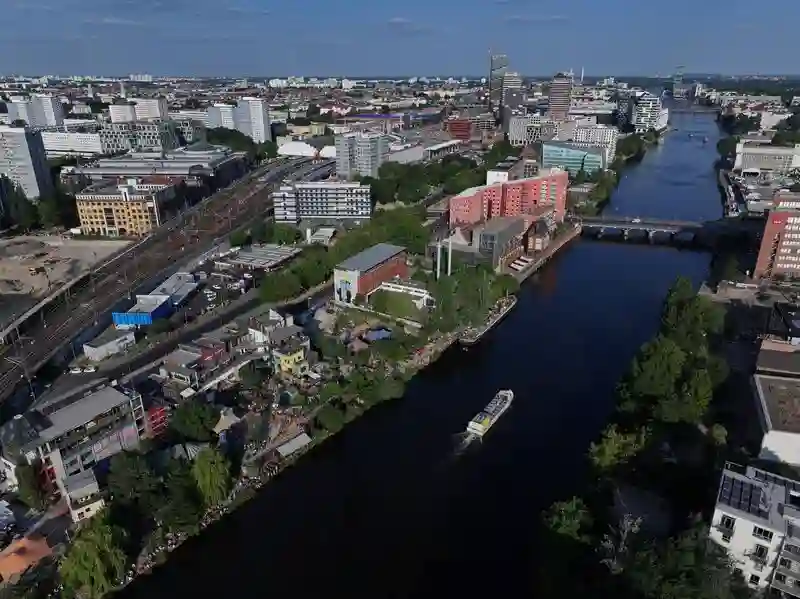


Germany's exit from coal and shift towards renewable energy sources is set to exacerbate water scarcity woes for the capital city. On extremely hot days, the Spree River in Berlin, which is a critical source of drinking water for the city's 3.6 million residents, relies on an array of pumps to reverse the river's natural flow. However, the end of lignite mining in nearby regions means that groundwater pumped to extract the fossil fuel will no longer feed the Spree. Therefore, the river could see a 50% to 75% reduction in water levels during dry summer months, according to a study by the German Environment Agency.
Lignite mines have been a critical source of water for the Spree River and the marshy forest of Spreewald for over a century. However, the end of the use of coal and lignite in Germany after 2030 means that the Spree will be more dependent on rainfall. Old mines that are currently being flooded to create leisure areas like the Cottbuser Ostsee will further drain water resources and reduce inflows into the Spree.
The Spree River crisis reflects the unintended consequences of climate change. While measures to abandon fossil fuels are essential, they can lead to new ecological threats. Berlin's city authorities are already facing water shortages due to less rainfall caused by the climate crisis. A 2018 study by Zurich’s ETH estimates that northern hemisphere cities will share similar weather conditions with locations 1000 km to the south, prompting Berlin to seek more sustainable solutions for the future.
Berlin's growth, which is estimated to increase the population to nearly four million by 2040, is also exacerbating the water scarcity issue. The construction of Tesla's factory in the protected water area in the suburb of Grünheide, where water is scarce, is expected to use as much as 60,000 people, with an adverse effect on the water demand.
As part of efforts to mitigate water scarcity, Berlin's legislature is working on a master plan that includes demand reduction and strategic planning between Berlin and nearby states. One of the solutions proposed is a €2 billion upgrade to six wastewater treatment plants, including the construction of a vast concrete pool in Schönerlinde. Additionally, Berlin plans are in place to reduce run-off by increasing planted roofs, storage tanks, and fewer sealed surfaces, promoting the sponge city concept.
However, these measures may not be enough to address Berlin's water crisis in the long run. The city's water bodies and swamps are already severely stressed, according to environmental groups, with close to half of the approximately 350 ponds under significant strain. The city's water supplier, Berliner Wasserbetriebe, plans to channel treated wastewater to the so-called blue pearls instead of letting it flow down the Spree into the North Sea.
Experts have warned that Berlin's water supply system is already in the intensive care unit, and water shortages could become even worse if rainfall continues to decline. The government's Environment Agency has proposed a water-management system to connect the regions via storage and reservoirs and redirect streams to Berlin. Nevertheless, even these rivers are also at risk of drying up; thus, Berlin needs sustainable water sources for the future.