


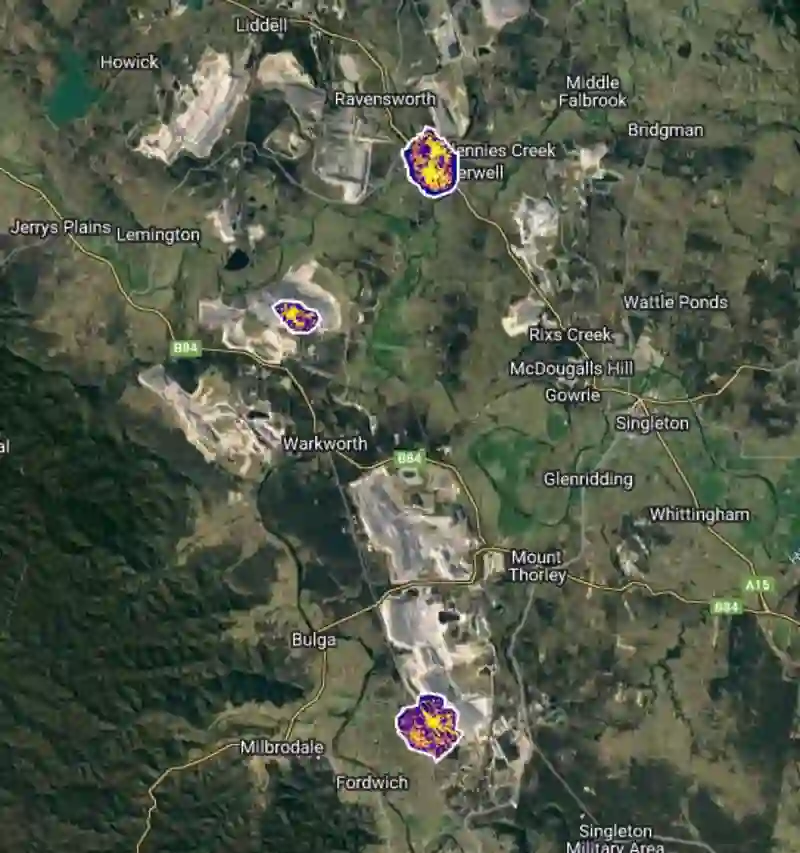


A recent report reveals that Australia's fossil fuel sector has been grossly underreporting methane leaks, highlighting the urgent need for major industrial facilities to accelerate their decarbonization efforts. According to the Institute for Energy Economics and Financial Analysis (IEEFA), leaks of methane from oil and gas operations have likely been underestimated by 90%, while the underreporting figure for coal is estimated to be 80%. This discrepancy amounts to approximately 28 million tons of carbon dioxide equivalent of unreported leaks, indicating that significant emitters must step up their efforts to meet emissions reduction goals in the coming years.
To stay within the newly introduced emissions caps, these facilities would need to double their rate of decarbonization and cut their emissions by half between 2023 and 2030, states Amandine Denis-Ryan, the CEO of IEEFA Australia. Correcting these underestimates is crucial to ensure accurate reporting and effective action. Although methane is a relatively short-lived pollutant, its impact on climate change is devastating due to its warming potential, which is over 80 times greater than that of carbon dioxide over a 20-year period. Methane is responsible for roughly one-third of the Earth's warming, emphasizing the need for countries, including Australia, to prioritize reducing these emissions.
Satellite observations of methane emissions in Australia have long suggested that the existing reporting mechanisms failed to capture the full extent of releases from the nation's extensive fossil fuel operations. This issue is particularly concerning as certain regions, such as Queensland's Bowen Basin, are known for their high methane intensity per unit of coal production, estimated to be 47% higher than the global average. An analysis conducted by energy think tank Ember reveals that the most cost-effective way for Australia to significantly reduce methane emissions is by addressing leaks from coal mines. These mines currently release over 1 million tons of methane annually, accounting for nearly a quarter of the country's total methane emissions.
Late to join the Global Methane Pledge, a US and EU-led initiative that aims to reduce methane emissions by 30% from 2020 levels by the end of this decade, Australia now faces the need for urgent action to improve monitoring and reduction efforts. A failure to address the gross underreporting of emissions could have severe consequences for both the industry and households in Australia. Therefore, it is crucial for the country to implement effective measures to accurately measure and mitigate methane emissions promptly.