




Cazenovia College, a 200-year-old institution located in rural upstate New York, recently announced its decision to permanently close due to financial difficulties, highlighting the mounting crisis faced by many private colleges in the United States. Plummeting enrollment numbers ultimately led to the college's inability to repay its $25 million debt to creditors. As Cazenovia embarks on the challenging task of winding down and liquidating, it serves as a stark reminder of the challenges that other struggling colleges may face in the ongoing shakeout of higher education in America, raising concerns for investors as well.
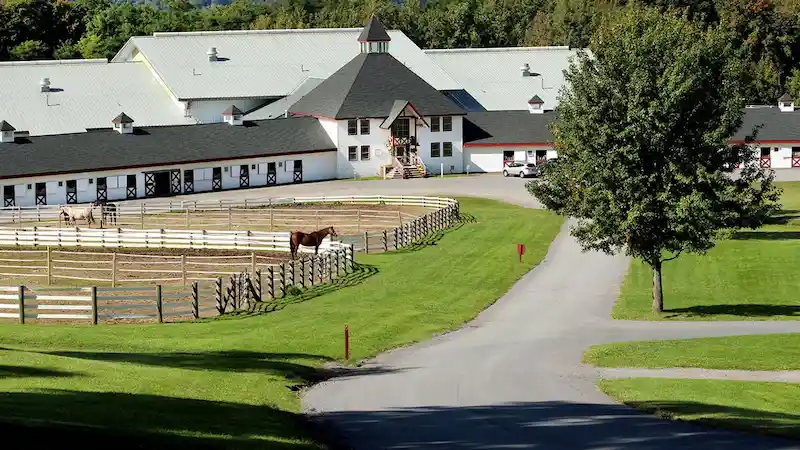
When a college shuts down, the prospects of bondholders recovering their money depend on the sale of the institution's assets. In most cases, real estate constitutes a college's largest asset. Cazenovia, for instance, owns a 240-acre equine facility with approximately 70 stalls, which could potentially be sold separately. However, despite their right to foreclose on the property, the bondholders, including Nuveen LLC and abrdn Plc, have not taken such action as it could potentially devalue the real estate.
According to Mark Podgainy, managing director at Getzler Henrich & Associates LLC, who works with distressed colleges, liquidating a college typically results in the assets being sold for less than their appraised value. Cazenovia's campus was appraised at $26 million in 2022 when the college unsuccessfully attempted to sell bonds to refinance its debt. Podgainy emphasized that this tends to be a common trend in similar situations.
Cazenovia's President, David Bergh, envisions the campus being repurposed for art programs, agricultural training, or even transformed into a senior living facility. Despite the closure, Bergh remains optimistic that a permanent buyer will be found due to the early interest received.
In the meantime, the college has entered into a lease agreement with the state of New York, which will use the campus to train police cadets until July 31, 2025, as stated in a regulatory filing. The annual rent of $1.5 million will be paid to the trustee, UMB Bank, representing the bondholders. Restructuring a college is often more challenging than restructuring a corporation, notes Podgainy, highlighting the emotional nature of college closures. Moreover, even filing for bankruptcy does not guarantee a viable path towards financial recovery, according to a report by Moody's Investors Services.
To preserve Cazenovia's history, nearby Le Moyne College, a private Catholic college in Syracuse, will create a room and garden to memorialize its yearbooks and artifacts. Additionally, the 40 horses belonging to Cazenovia's equine program were gifted to alumni and friends. The college also plans to recommend donating its remaining endowment of approximately $7 million to Le Moyne, with these funds being restricted and outside the scope of creditors. The final decision regarding the allocation of these funds lies with the state attorney general, the Department of Education, and the court.
Despite the hardships faced, President Bergh's top priority is ensuring the well-being of students, faculty, and staff. Cazenovia has facilitated agreements with other institutions to accommodate current students, and many employees have already secured positions at nearby colleges. Bergh acknowledges the heartbreaking nature of this process but emphasizes the importance of handling the situation with the utmost consideration for all parties involved.