


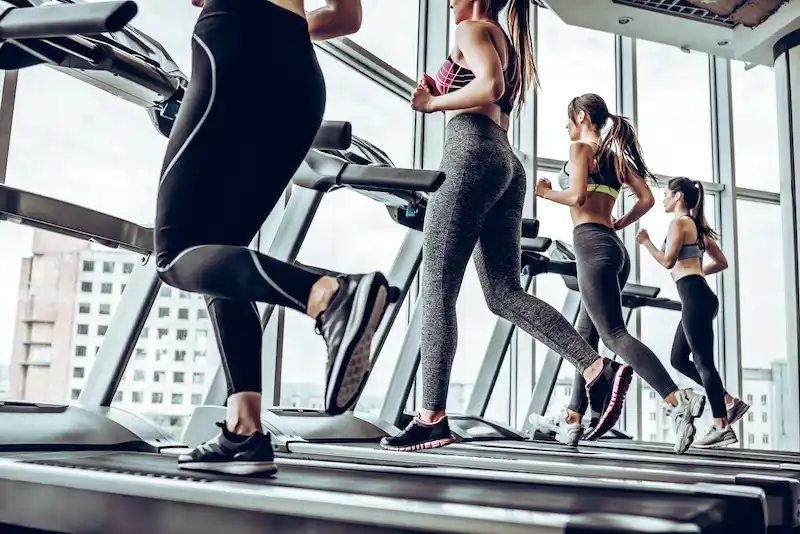


In 2022, an alarming discovery by the Center for Environmental Health (CEH) raised concerns about the safety of popular activewear brands. Testing various sports bras, leggings, and athletic shirts, the nonprofit consumer advocacy group found high levels of the chemical bisphenol A (BPA) in products sold by Athleta, PINK, The North Face, Nike, Patagonia, and other well-known brands. This revelation came just a year after the CEH had reported high levels of BPA in socks from over 100 different brands. Understandably, this information spread quickly through women's groups and group chats, leaving many consumers wondering just how concerned they should be. The answer, according to experts, is very concerned.
BPA, an endocrine disruptor, is known for mimicking or interfering with the body's hormones. The endocrine system, which regulates various vital functions in the body, such as reproduction, immune response, metabolism, and cardiovascular health, can be severely affected by such disruptions. From infertility and brain disorders in infants and children to breast cancer, endometriosis, and even acne, there is strong evidence linking BPA exposure to numerous health issues.
BPA is not the only hazardous chemical found in fashion products. Bisphenol S and F, close cousins of BPA, are increasingly being used as alternatives. Lead, mercury, arsenic, alkylphenol ethoxylates (APEOs), perfluoroalkyl and polyfluoroalkyl substances (PFAS), and phthalates are other problematic chemicals used in the production of clothing and accessories. Endocrine disruptors can be found in almost any fashion product tested, making it clear that this is not an isolated issue.
Several tests and studies have revealed the presence of toxic chemicals in clothing. H&M and IKEA, for example, tested secondhand clothing collected from around the world and discovered APEOs in almost all the wool samples. The Canadian Broadcasting Corporation (CBC) tested clothing pieces, including children's apparel, and found elevated levels of toxins like lead, PFAS, and phthalates in one out of five items, particularly those from ultra-fast fashion brands Zaful, AliExpress, and Shein.
While some industry professionals dismiss these tests as fearmongering or argue that the levels of chemicals fall within legal limits, the truth is that many industry-set limits are voluntary and based on questionable science. Furthermore, the concept of a "safe" dose of endocrine disruptors is being challenged by researchers who believe that even small changes in hormone levels can have drastic effects.
Research shows that these harmful chemicals can cross the placenta and have lasting impacts on embryos, even at extremely low concentrations. For instance, PFAS has been found in period panties and has been linked to obesity, developmental issues, liver damage, and several types of cancer. The signs of reproductive health issues and endocrine system disorders are becoming increasingly apparent, with higher rates of diminished ovarian reserve, increasing miscarriages, declining sperm counts, and early puberty in girls.
To protect ourselves from endocrine disruptors in clothing, there are several strategies we can adopt. Avoiding performance finishes like stain-proofing and water-resistant treatments, which often involve the use of PFAS, is recommended. Opting for natural materials over synthetic ones, such as cotton instead of polyester blends, can also help reduce exposure. Avoiding PVC products and counterfeit or ultra-cheap fashion brands is important, as they often contain harmful chemicals.
It is also advisable to wash all new clothing before wearing it, using fragrance-free detergents and avoiding scented dryer sheets and fabric softeners. If a newly purchased item has a strong odor, it is best to return it and opt for a safer alternative.
It is crucial to understand the potential risks associated with the chemicals used in clothing production and take steps to minimize exposure. By making informed choices and demanding safer products, we can protect our health and well-being in the long run.