


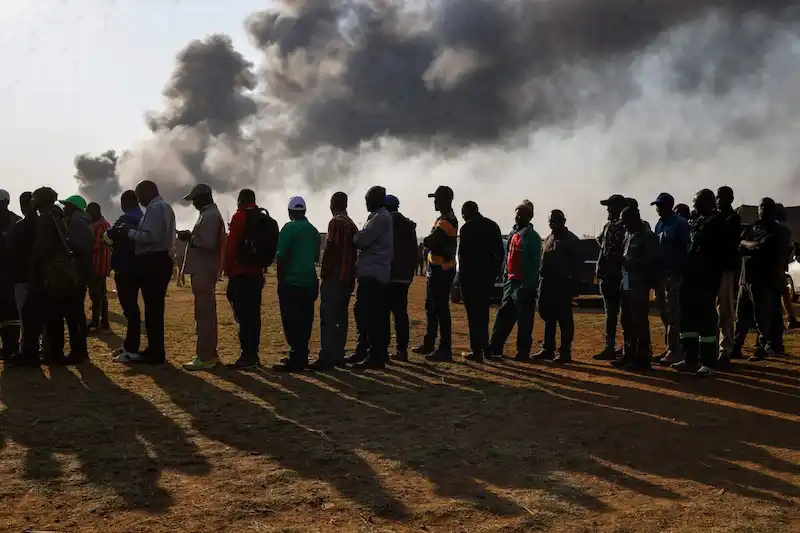


Delays and concerns marked the start of voting in Zimbabwe on Wednesday, as human rights groups raised doubts about the legitimacy of the election. Despite an ongoing economic crisis and allegations of government crackdowns on civil liberties, President Emmerson Mnangagwa is expected to secure his position. Amnesty International and Human Rights Watch have accused the government of stifling the political space for opposition parties over the past five years.
President Mnangagwa, 80 years old, expressed satisfaction with the voter turnout as he cast his ballot in his rural constituency. He noted that there was greater awareness among voters this time around.
However, observers reported that more than three-quarters of polling stations in Harare and the second largest city, Bulawayo, opened late due to the slow delivery of ballot papers. Nevers Mumba, head of the Southern African Development Community observer mission, expressed concern about the delay and promised to investigate the matter.
Nelson Chamisa, Mnangagwa's main challenger, criticized the election's conduct but remained confident about his chances of victory. Chamisa, who has disputed the results of the 2018 vote, expressed optimism that there would be a change in leadership. His party, the Citizens Coalition for Change, had to resort to lawsuits to ensure its members remained on the ballot. Another opposition party boycotted the election after numerous disqualifications of its candidates, indicating doubts about the fairness of the entire process.
The tainted nature of this election could impede Mnangagwa's efforts to restructure the country's $18 billion debt arrears. International creditors, including the African Development Bank, have stressed the importance of a credible contest for any potential financial deal.
In an attempt to reassure the public and international community, Mnangagwa has pledged that the election will be free and fair. He also reiterated that he will not serve beyond the constitutional limit of two terms if reelected. The ruling party, Zimbabwe African National Union-Patriotic Front, has been in power since the country gained independence from the UK in 1980.
As of early afternoon, there were no reports of major violence, which has been a common occurrence during past elections in Zimbabwe.
With around 6.6 million registered voters, 83% of whom are eligible to vote, Zimbabweans will also elect members of the National Assembly and senators. However, doubts remain regarding the fairness and credibility of this electoral process.