


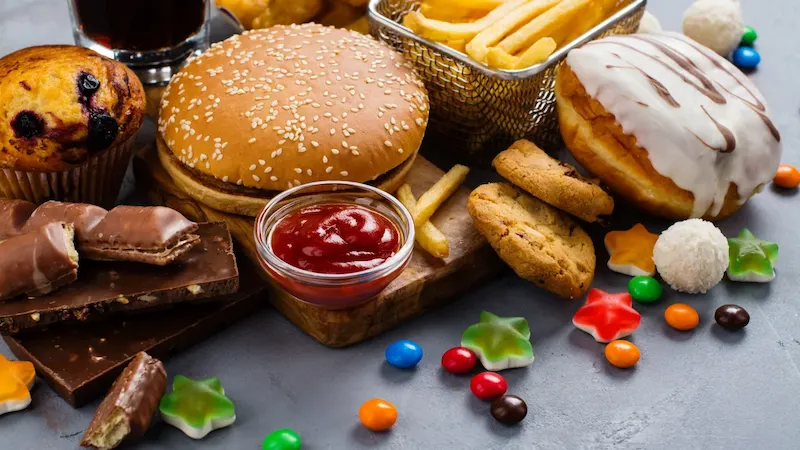


A new study suggests that consuming large amounts of ultraprocessed food and drinks, particularly those containing artificial sweeteners, may be associated with an increased risk of developing depression. The research, which focused on women, found that those who consumed nine or more portions of ultraprocessed foods per day had a 50% higher risk of depression compared to those who consumed four portions or less.
Ultraprocessed foods include prepackaged soups, sauces, frozen pizza, ready-to-eat meals, and pleasure foods such as hot dogs, sausages, French fries, sodas, store-bought cookies, cakes, candies, and doughnuts. This category also includes many other foods and drinks that contain artificial sweeteners.
Interestingly, the study revealed that only foods and drinks made with artificial sweeteners were associated with a higher risk of depression. This finding suggests that the link between ultraprocessed food intake and depression may be driven by this specific factor.
One possible explanation for the association between ultraprocessed foods and depression is chronic inflammation, which is a known root cause of many chronic diseases. Previous studies have already linked ultraprocessed foods to conditions such as colorectal cancer, heart disease, and early death. Additionally, there is evidence suggesting that ultraprocessed food can disrupt the gut microbiome, and there is emerging research connecting gut microbes to mood regulation.
It's important to note that this study is observational, so it cannot establish a cause-and-effect relationship between ultraprocessed food consumption and depression. Other factors, such as a person's family history of depression, stress levels, and social support network, also play a significant role in the development of depression. Therefore, the study's findings need to be confirmed through further research.
Ultimately, this study adds to growing concerns about the potential negative health effects of ultraprocessed foods. It highlights the need for more extensive research and caution when it comes to consuming these types of foods, particularly those that contain artificial sweeteners.