


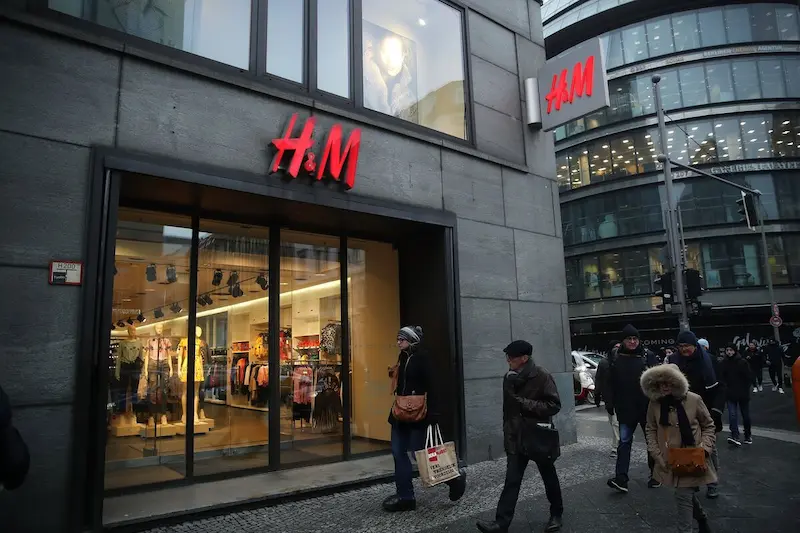


In a move to support fair wages and improved working conditions, H&M has committed to offset the increased worker wages in Bangladesh by raising prices for clothing made in the country. The decision comes after Bangladesh's government agreed to raise the minimum monthly wage for garment workers by 56% to 12,500 taka ($113) from December. H&M, in a letter sent to its garment providers in Bangladesh, stated that it will "absorb the increase of the wages in our product prices."
The wage increase in Bangladesh was met with weeks of protests, as thousands of garment workers demanded a higher raise than what was proposed by the industry group. Manufacturers were concerned that the salary hike would eat into their profit margins, as fashion retailers continued to pay the same prices for their orders. Thus, H&M's commitment to raising clothing prices to offset the increased wages has come as a relief to many manufacturers.
Mostafiz Uddin, the managing director at Denim Expert Ltd., received the letter from H&M and expressed his relief, stating that it will help him ensure fair wages for his workers. Uddin further stated that he expects other brands to follow suit in raising prices to support the wage increase.
Bangladesh has become the world's second-largest ready-made garment exporter after China, attracting the textile industry with its low wages. The industry employs approximately 4 million people and contributes to one-tenth of the country's gross domestic product. However, concerns have been raised over the low wages and poor working conditions faced by garment workers. The recent wage increase is seen as a step towards addressing these concerns and promoting fair opportunities for workers in the country.
H&M's decision to absorb the higher worker wages in its pricing strategy showcases its commitment to ethical practices and supporting fair wages throughout its supply chain. By raising prices for clothing made in Bangladesh, H&M aims to offset the impact on manufacturers and ensure that workers receive a fair income for their labor. This is a significant step towards improving working conditions and promoting sustainability in the fast-fashion industry.
As one of the leading global fashion retailers, H&M's commitment to fair wages could potentially influence other brands to follow suit and prioritize the well-being of their workers. The move highlights the increasing importance of ethical practices and social responsibility in the fashion industry. With consumers becoming more conscious and demanding transparency, companies that prioritize fair wages and better working conditions are likely to gain a competitive edge in the market.