


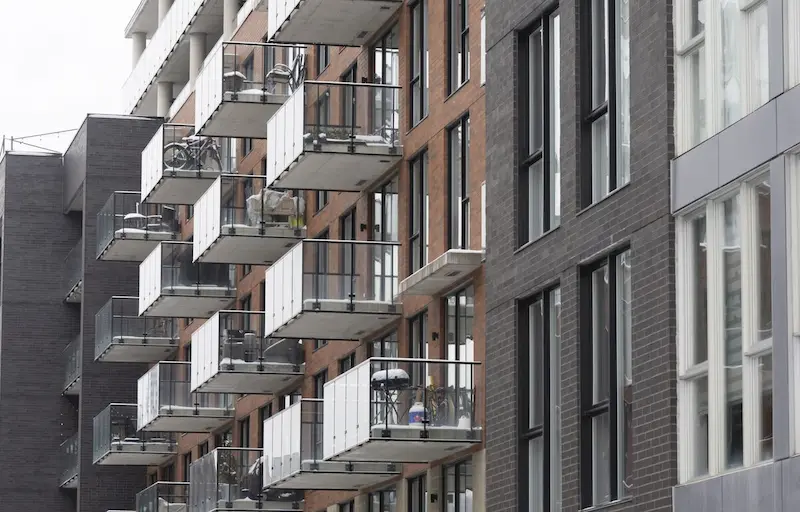


Canada's rental housing market is facing a deepening crisis as the country grapples with an acute shortage of affordable housing. A recently released report reveals that the vacancy rate for rental apartments has plummeted to an all-time low, while rent prices have surged to record highs.
According to the report, the national vacancy rate at apartment buildings dropped to an alarming 1.5% by October 2023. This represents a significant decline from just two years prior and marks the tightest market since data collection began in 1988 by the Canada Mortgage & Housing Corp. With such scarcity, prospective tenants are facing fierce competition and limited options.
In conjunction with the dwindling availability of rental units, the average monthly rent for a two-bedroom apartment has surged by a staggering 8% to reach a record high of C$1,359 ($1,016). This significant increase places an immense financial burden on Canadians, particularly in the midst of a cost of living crisis, which has become a pressing issue for Prime Minister Justin Trudeau's government.
The rising demand for affordable housing has been compounded by years of underinvestment in this crucial sector. Major cities in Canada, which have experienced high levels of immigration, have been particularly hard hit. Although the government has implemented measures to address the issue, such as capping the number of foreign students and reducing taxes for new rental construction, the effects of these actions will take time to materialize.
Despite a 1.7% increase in rental supply in 2023, it remains woefully inadequate to meet the soaring demand, fueled by the influx of approximately 1.2 million new arrivals to Canada last year alone. Consequently, rent prices have outpaced wage growth, further exacerbating the financial burden on renters across the country.
A significant portion of this burden falls on new tenants moving into "turnover units." Rent control rules in certain cities allow landlords to adjust rates to reflect market conditions when a new tenant occupies the unit. Nationally, the report reveals a striking 13% increase in rents for turnover units compared to non-turnover units, with a staggering 31% increase observed in Toronto, the nation's largest city. Vancouver continues to hold the title of Canada's most expensive rental market, with an average price of C$2,181 for a two-bedroom apartment.
The situation is dire for individuals with lower incomes, as the number of rental units considered affordable in Vancouver, Ottawa, and Toronto statistically approaches zero. In Toronto specifically, nearly 20% of renters are falling behind on their rent payments, highlighting the severity of the crisis.
Efforts to alleviate the affordable housing crisis in Canada are ongoing, but the scale of the problem necessitates a comprehensive and sustained approach. Immediate actions such as significant investments in affordable housing and the implementation of effective rent control measures are vital to tackle this pressing issue and prevent further detriment to the well-being of Canadians.