


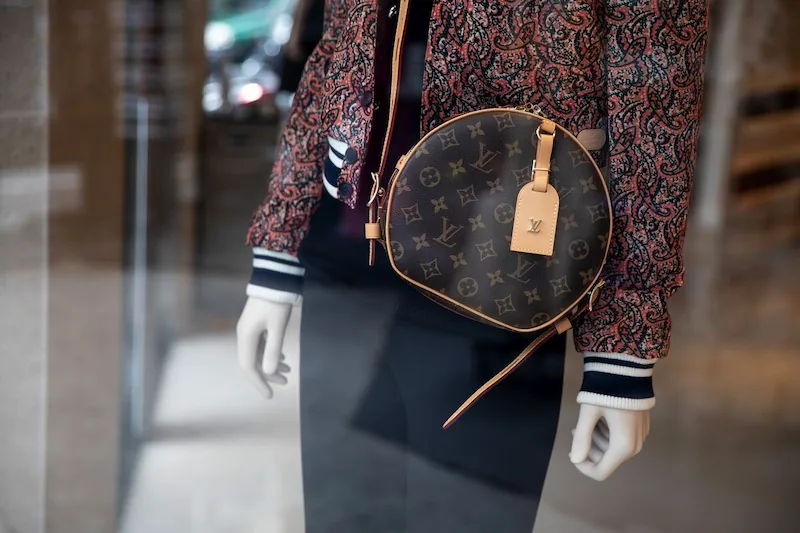


LVMH, the luxury powerhouse, faced a slower sales growth trajectory at the onset of the year as affluent consumers tightened their purse strings, particularly when it came to splurging on high-ticket items like Louis Vuitton handbags and Hennessy Cognac. The organic revenue for LVMH's fashion and leather goods unit, the conglomerate's largest division, saw a modest 2% uptick in the first quarter, a stark contrast to the impressive 18% surge recorded during the same period the previous year.
This subdued growth rate marks the slowest first-quarter performance since 2016, excluding the tumultuous year of 2020 marred by global lockdowns stemming from the Covid-19 pandemic. Projections by analysts anticipated a 3.2% growth rate, suggesting that the slippage in sales may herald a broader shift in the luxury market landscape, even for a stalwart like LVMH, overseen by the world's wealthiest individual, Bernard Arnault, with a vast portfolio spanning well-known brands across various luxury sectors.
Louis Vuitton managed to slightly outperform the unit's average growth, while Dior experienced a slightly less favorable performance, elucidated LVMH's Chief Financial Officer, Jean-Jacques Guiony. The deceleration in sales growth hints at potential headwinds faced by LVMH Moet Hennessy Louis Vuitton SE as it navigates through a market experiencing changing consumer behavior, with discerning tastes no longer translating into unquestioning extravagance.
The luxury landscape also witnessed a downturn at Kering SA as its flagship brand, Gucci, grappled with a projected 20% sales dip in the first quarter, predominantly attributed to a slowdown in Chinese consumer spending. LVMH saw a 6% decline in sales in Asia, excluding Japan, during the same period, with Chinese demand for fashion and leather goods showing a more positive trend, growing by almost 10%.
Not all segments of LVMH experienced a slump, with the selective retailing unit showcasing a robust performance driven by beauty retailer Sephora. However, the wines and spirits division, which includes iconic brands such as Moet & Chandon and Dom Perignon, faced challenges as demand wavered, resulting in a significant 12% organic revenue drop that fell below expectations.
Looking ahead, LVMH remains cautious about the prospects for its watches sector and acknowledges the uncertainties surrounding trends in consumer behavior. The narrative of luxury spending post-pandemic appears to be evolving, with brands catering to aspirational shoppers feeling the pinch while the most exclusive names like Hermes have managed to maintain resilience in the face of economic headwinds. The upcoming quarterly sales report from Hermes on April 25 will likely provide further insights into the evolving dynamics of the luxury market.