


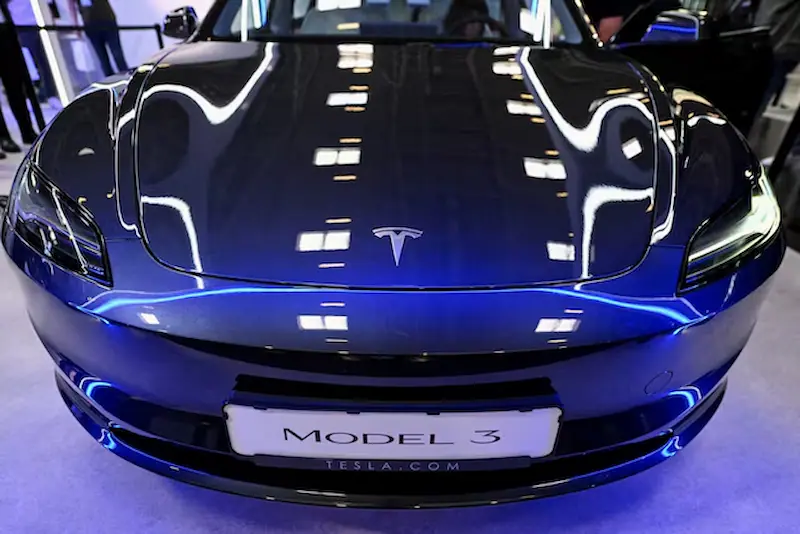


In response to the European Commission's tariffs on electric vehicles made in China, Tesla has increased the prices of its Model 3 cars by approximately 1,500 euros in several European countries, including Germany, the Netherlands, and Spain. The EU imposed these tariffs on July 4 to mitigate what it views as potential unfair subsidies for EV manufacturers. The decision to raise prices comes after Tesla had previously hinted at the possibility following the imposition of these tariffs.
As the leading exporter of electric vehicles from China, Tesla manufactures its Model 3 vehicles in Shanghai, making it subject to the EU's tariffs. The European Commission's tariffs, which are provisional until a final decision by November, range up to 37.6% based on the manufacturer. Initially, Tesla was given a tariff rate of 20.8% for its cooperation in the EU's investigation, but the company has requested a review of this rate.
In a similar vein, BMW has also petitioned the European Commission to reduce the tariff on its China-made electric Mini from the current high duty rate to 20.8%. This move highlights the complexity of trade relations in the automotive industry, with both manufacturers and regulatory bodies navigating the effects of global tariffs on their businesses. The outcome of these tariff adjustments will undoubtedly have widespread implications for the electric vehicle market in Europe and beyond.