


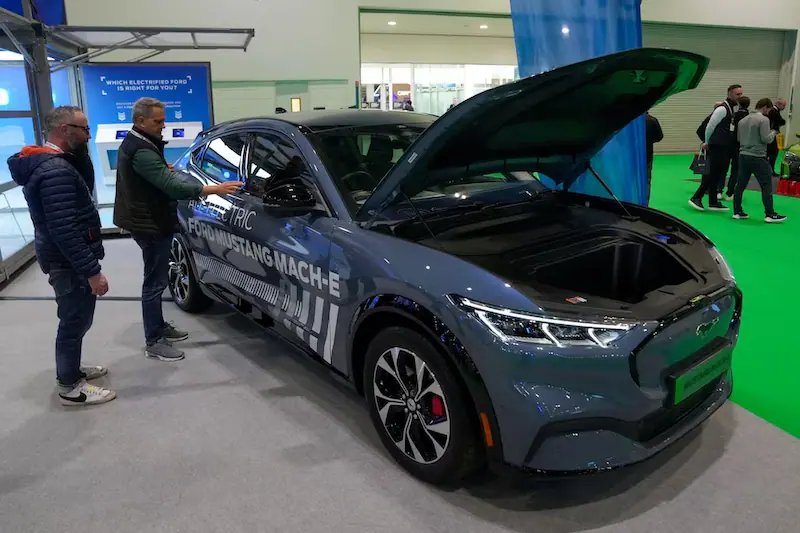


In a strategic shift to cut costs and boost profitability, Ford Motor announced the cancellation of a planned three-row electric SUV and the postponement of a new electric version of its popular F-150 pickup truck. The decision comes amid industry-wide concerns over lagging consumer demand for electric vehicles, prompting automakers like Ford and General Motors to reassess their product offerings.
Ford's Chief Financial Officer, John Lawler, cited pricing pressure and the need to achieve positive earnings within the first year of vehicle launches as key drivers behind the roadmap adjustments. Instead, the company will focus on introducing a new electric mid-sized pickup and van to cater to its existing strong segments in pickup trucks and commercial vehicles.
While investing in hybrid vehicles as an interim solution, Ford aims to drive down production costs for electric vehicles to remain competitive in an evolving market. CEO Jim Farley highlighted the importance of affordable EV technologies, with plans to launch a mid-sized electric pickup in 2027 based on a new architecture developed by the company's California team.
The decision to cancel the three-row SUV will result in a significant non-cash charge, alongside additional expenses for asset write-downs. Ford will reallocate capital spending, reducing the share dedicated to pure EVs to focus more on hybrids. The company also plans to shift battery production to qualify for incentives and lower costs, with a keen focus on affordable battery technologies.
Furthermore, Ford will streamline battery production processes with its partners, LG Energy Solution and SK Innovation, with a focus on lithium iron phosphate batteries. The company's battery park in Michigan is set to start LFP battery production in 2026, aligning with its cost-saving initiatives. Despite facing criticism for licensing technology from Chinese company CATL for LFP batteries, Ford remains committed to its partnership.
Ford's ongoing efforts to optimize its electric vehicle strategy reflect a broader industry trend towards balancing innovation and cost-effectiveness. With an update on electrification, technology, and profitability expected in the first half of 2025, Ford aims to navigate the evolving landscape of electric mobility while ensuring sustainable growth and profitability.