


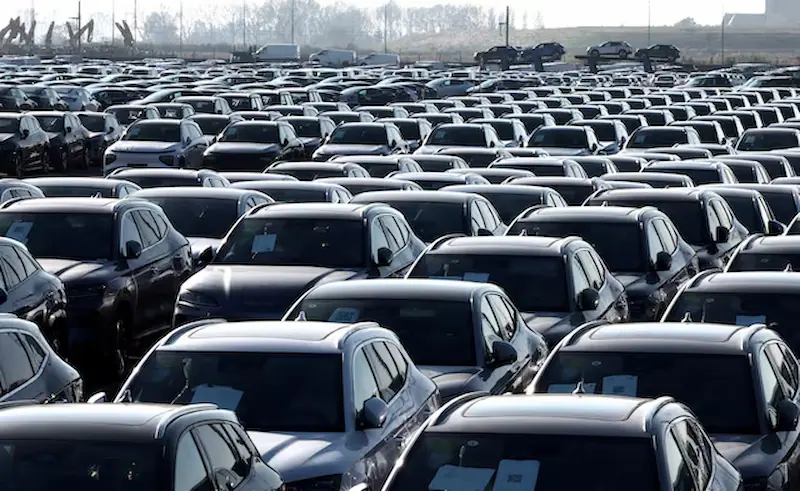


In a significant escalation of trade tensions between the European Union and China, the EU has announced a substantial increase in tariffs on Chinese-built electric vehicles. Following a year-long investigation into alleged unfair subsidies, the European Commission has implemented extra tariffs ranging from 7.8% for Tesla to 35.3% for China's SAIC, in addition to the standard 10% car import duty.
The EU justifies these tariffs as necessary to counter what they perceive as unfair advantages enjoyed by Chinese electric vehicle manufacturers, including preferential financing, grants, and access to resources at below-market prices. With China's significant spare production capacity of electric vehicles and the EU market becoming a potential outlet due to high tariffs in the US and Canada, the Commission argues that these measures are essential to protect European industries.
China, however, has condemned the EU tariffs as protectionist and damaging to the EU-China relationship. In response, Beijing has initiated its own investigations into imports of EU products such as brandy, dairy, and pork, hinting at a potential trade war. The tensions have also reached the World Trade Organization, with China challenging the EU's actions.
European automakers, especially those in Germany, are facing intense competition from lower-cost Chinese EVs. The EU estimates that Chinese brands now hold 8% of the EU market share, a significant increase from below 1% in 2019, with projections suggesting this could rise to 15% by 2025. Amidst this backdrop, Germany's opposition to the tariffs in a recent vote highlights the internal division among EU members regarding this issue.
While some see the tariffs as a necessary protection for European industries, others, including Germany, advocate for diplomatic resolutions to mitigate trade tensions. Discussions between the EU and China on alternative solutions, such as minimum price commitments for imported cars, are ongoing but face significant obstacles.
As the tariffs come into effect, the impact on consumer prices remains uncertain. Some manufacturers may absorb the additional costs, but the long-term implications on the electric vehicle market and trade relations between the EU and China are yet to be fully realized. With both sides bracing for potential economic repercussions, the future of the EU-China trade dynamics hangs in the balance.